Monday, January 6, 2020

Hyundai is Uber’s newest partner for building flying taxis

A little less than three years after it first announced its vision for adding flying taxi service to its portfolio of offerings, Uber has landed its first auto manufacturing partner on the skyway to making its Air Taxis real.

The company announced at the Consumer Electronics Show that it would be working with Hyundai Motor Company as the first major auto manufacturer to join Uber’s Elevate program.

The two companies unveiled their air vehicle concept today.

As part of the partnership, Hyundai said it will produce and deploy the air vehicles with Uber providing the logistics services including airspace support, connections to ground transportation and customer interfaces through its aerial ride sharing network.

“Our vision of Urban Air Mobility will transform the concept of urban transportation,” said Jaiwon Shin, Executive Vice President and Head of Hyundai’s Urban Air Mobility (UAM) Division. “We expect UAM to vitalize urban communities and provide more quality time to people. We are confident that Uber Elevate is the right partner to make this innovative product readily available to as many customers as possible.”

There’s no word from Uber on what the new partnership means for Uber’s other announced partners which include Karem Aircraft, Aurora Flight Sciences, Embraer, Bell Helicopter, Pistrel Aircraft, and Mooney.

“Hyundai is our first vehicle partner with experience of manufacturing passenger cars on a global scale,” said Eric Allison, the head of Uber Elevate, in a statement. “We believe Hyundai has the potential to build Uber Air vehicles at rates unseen in the current aerospace industry, producing high quality, reliable aircraft at high volumes to drive down passenger costs per trip. Combining Hyundai’s manufacturing muscle with Uber’s technology platform represents a giant leap forward for launching a vibrant air taxi network in the coming years.”

The two companies have worked to develop a “PAV (Personal Air Vehicle)” that uses Uber Elevate’s common research models to develop new concepts for wing design, noise reduction, aerodynamics and simulation verification.

The concept vehicle from Hyundai — dubbed the model S-A1 — includes a design for a cruising speed up to 180 miles per hour; will be 100% electric; requires only five to seven minutes to recharge; has a distributed electric propulsion system that powers multiple rotors and propellers around an airframe (which reduces noise and increases safety by decreasing single points of failure); and seats four comfortably, according to the two companies.

[gallery ids="1930050,1930051,1930052,1930053,1930054"]

To make sure that there’s real estate to support the hub model Uber has outlined for its aerial transit the company has partnered with real estate developers including Hillwood Properties, Related, Macquire, Oaktree, and Signature. The company has also signed Space Act agreements with NASA for the development of unmanned traffic management concepts and unmanned aerial systems and another for urban air mobility.

Uber expects its first air taxi services to launch in 2023.


SpaceX successfully launches 60 more satellites for its Starlink broadband internet constellation

SpaceX successfully launched its third batch of 60 Starlink satellites – the second designated ‘production’ hardware, after launching an initial group of 60 early in 2019 to test the technology. This group launched aboard a Falcon 9 with a first stage booster that has already seen service in three previous missions, including two in 2019, one of which was the first bulk Starlink mission in May 2019.

This launch took off from Cape Canaveral Air Force Station in Florida, and delivered the satellites to an orbit 290 km (around 180 miles) above Earth, and then the satellites will perform diagnostics to ensure they’re in proper working order before moving to their final target orbits using their own onboard thrusters.

SpaceX also brought back the Falcon 9 booster used on this mission for a controlled landing aboard their ‘Of Course I Still Love You’ drone landing ship. The company will also look to recover half of the payload fairing on this launch, with an attempt to catch the protective cargo cover gin using ‘Ms. Tree,’ one of two ships SpaceX has custom configured to catch the spacecraft component in a large net.

Likely to help mitigate criticism from the scientific community regarding the Starlink constellation’s potential to impact visibility of space from Earth, SpaceX also detailed the steps its taking to address this. It notes that though the satellites it’s launching will be very visible immediately after launch, after between one and four months, they’ll climb to their final target orbit and re-orient themselves to become “significantly less visible from the ground.” The company also says it’s “testing an experimental marketing treatment on one satellite” to see if that further reduces their effect on night sky visibility for high-sensitivity research instruments.

Starlink will provide high-speed, relatively low-latency broadband internet connectivity to customers on the ground, starting with those in the U.S. and Canada, with service potentially becoming available as early as later this year.

Hyundai to build air taxis for Uber’s future aerial ride share network

Hyundai Motor is partnering with Uber to develop and potentially mass produce air taxis for a future aerial ride share network.

The partnership is the latest addition to Uber Elevate’s growing network that includes Aurora Flight Sciences, which is now a subsidiary of Boeing, Bell, Embraer, Joby Aviation, Pipistrel Aircraft, Karem Aircraft and Jaunt Air Mobility. Uber has also entered into a real estate partnerships with Hillwood Properties, Related, Macquire, Oaktree and Signature

Uber Elevate has previously said it plans to start flight demonstrations in 2020 and have commercially available to riders in 2023.

Hyundai made the announcement Monday at a press conference ahead of CES 2020, the annual tech trade show in Las Vegas. The automaker also unveiled a four-seater aircraft concept called SA-1, which was created in part through Uber’s open design process.

Under the partnership, Hyundai will produce and deploy the air vehicles, and Uber will provide airspace support services, connections to ground transportation and customer interfaces through an aerial ride share network. Both parties are collaborating on infrastructure concepts to support take-off and landing for this new class of vehicles, the companies said in a joint release.

“Hyundai is our first vehicle partner with experience of manufacturing passenger cars on a global scale,” said Eric Allison, head of Uber Elevate. “We believe Hyundai has the potential to build Uber Air vehicles at rates unseen in the current aerospace industry, producing high quality, reliable aircraft at high volumes to drive down passenger costs per trip.”

Hyundai’s model unveiled at CES is designed to cruise at speeds up to 180 miles per hour and at an altitude of 1,000 to 2,000 feet above ground, and a flying range of up to 60 miles. The concept vehicle will be all-electric, using distributed electric propulsion, powered by multiple rotors and propellers around the airframe.

Hyundai says the design, which uses smaller rotors, will be quieter than large rotor helicopters. The vehicle will require a human driver, or pilot, but the company claims it will become autonomous.

HC seeks stands of Centre, Twitter on plea for guidelines on censorship of social media

Sanjay Hegde moved the court after his Twitter account was permanently suspended by the social media on November 5, 2019, allegedly for re-tweeting two posts. https://ift.tt/37LsncF https://ift.tt/eA8V8J

ASUS releases new displays, gaming notebooks, and routers at CES 2020

The new systems aim to help professionals conduct business in a more productive, efficient manner.

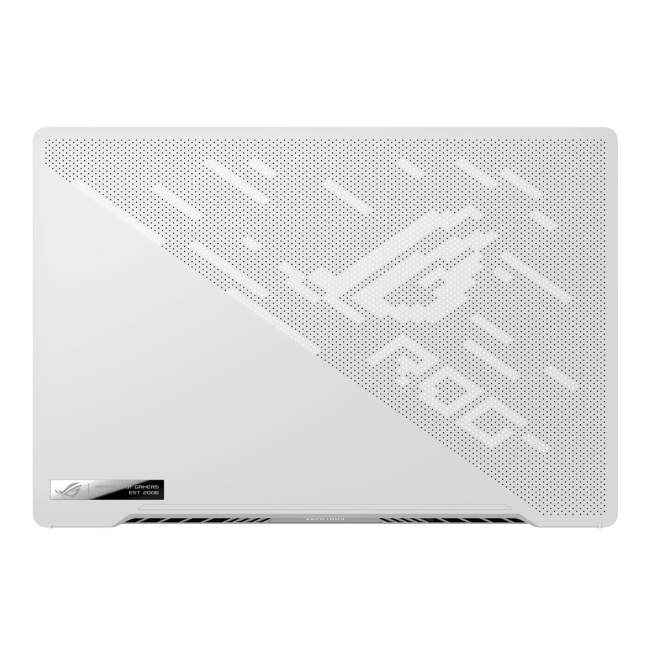
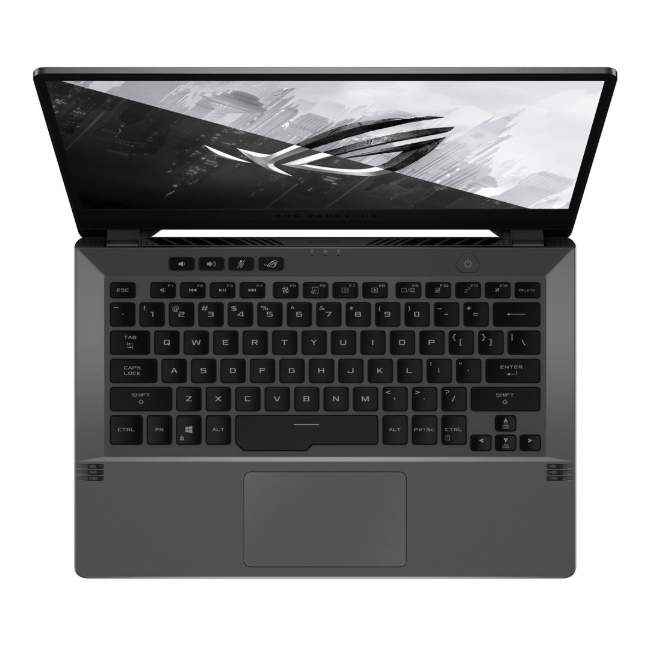
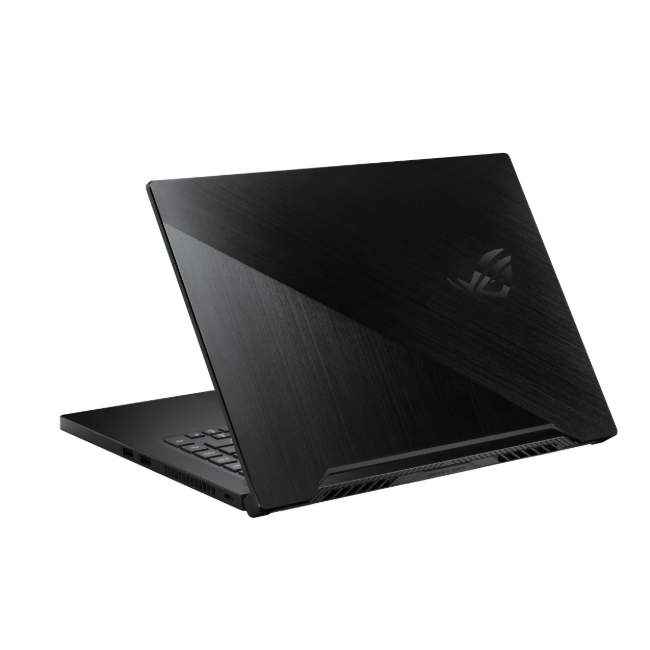
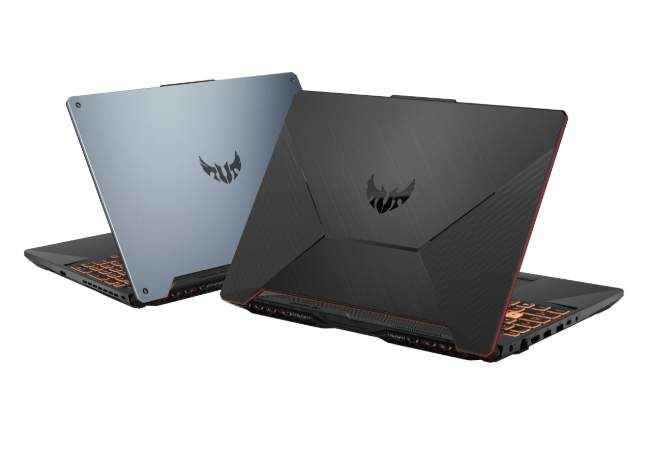
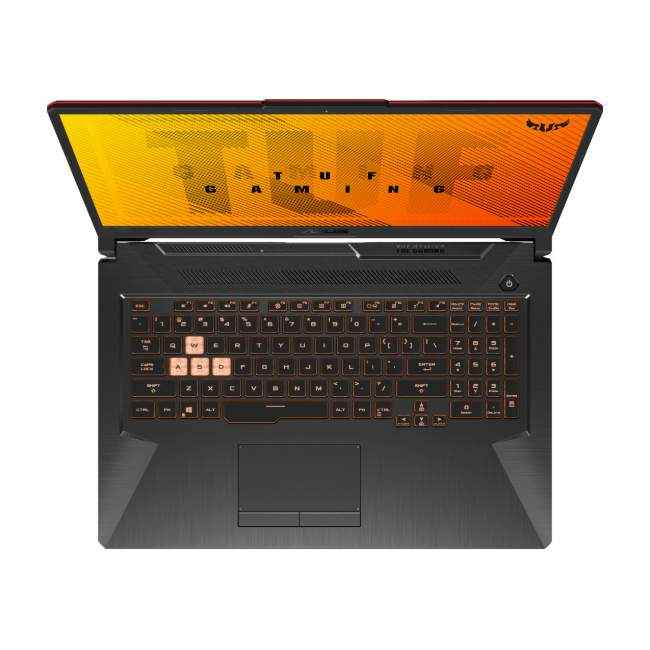
CES 2020: Asus announces ROG Zephyrus G14, G15, TUF Gaming A15F15, A17F17 gaming laptops

Having announced two new gaming desktops under the ROG Strix sub-brand this CES 2020 week, Asus took the wraps off four more laptop models earlier today. They include the ROG Zephyrus G14 and G15. Accompanying them are the more affordable TUF Gaming A15/F15 and A17/F17 with redesigned exteriors. Four out of the six laptops are powered by AMD Ryzen processors and Nvidia GeForce graphics, while the remaining two get Intel’s 10th Gen Core series CPUs. According to the Taiwanese electronics manufacturer, the ROG Zephyrus G14 is the “world’s most powerful 14-inch gaming notebook”. Let’s take a closer look at the new Asus models:

ROG Zephyrus G14

Billed as the most powerful 14-inch gaming laptop, the Zephyrus G14 measures 17.9 millimetres in thickness and 1.6 kilogrammes in weight. The top cover employs Asus’ proprietary AniMe Matrix technology, which uses tiny LED lights to show custom animations on the opposite side of the screen. The PANTONE-validated screen is an AMD FreeSync-supported 14-inch panel that can be customised for either high resolution (WQHD) or high refresh rate (120Hz). Like Asus’ ZenBook and VivoBook laptops, the Zephyrus G14 incorporates the ErgoLift hinge, which raises the keyboard in the direction of the user by a few critical degrees. Though the laptop comes bundled with a 180W charger, it can be charged using the inbuilt USB-C port over Power Delivery.

The Zephyrus G14 is powered by AMD’s Ryzen 4000 H-series processors along with Nvidia’s GeForce GPUs. The top-of-the-line variant can be expected to have an RTX 2060 graphics card with 6GB of video RAM. System RAM goes all the way up to 32GB and storage reaches a maximum of 1TB on an M.2 PCIe NVMe solid-state drive. The keys on the keyboard feature a travel of 1.7 millimetres and support N-key rollover. The power button on the laptop incorporates a fingerprint scanner. Available in Moonlight White and Eclipse Grey colours, the ROG Zephyrus G14 is expected to go on sale later this year.

ROG Zephyrus G15

The Zephyrus G15 is a 15.6-inch gaming laptop that measures 19.9 millimetres in thickness and 2.1 kilogrammes in weight. The laptop’s AMD FreeSync-supported Full HD screen can be customised to refresh at either 144Hz or 240Hz, though the latter option ensures the panel is PANTONE-validated with 100-per cent sRGB colour coverage and 3-millisecond response time. “To keep it looking professional, G15 forgoes RGB lighting for tasteful white backlighting that’s less distracting in a crowd,” writes Asus in its press release.

The Zephyrus G15 is powered by up to an AMD Ryzen 7 4800HS processor along with either an Nvidia GeForce GTX 1660Ti or RTX 2060 graphics card. System RAM tops at 32GB and storage goes all the way up to 1TB on an M.2 PCIe NVMe solid-state drive. Like the Zephyrus G14, the Zephyrus G15 supports Power Delivery over USB-C even though there’s a 180W power adaptor included with the laptop. Powering it on the go is an inbuilt 76Wh quad-cell battery. The ROG Zephyrus G15 is expected to go on sale later this year.

TUF Gaming A15/F15, A17/F17

Models from Asus’ TUF Gaming series have generally been more affordable than the ones from the Zephyrus or Strix series but that distance appears to be narrowing with each passing generation. The new TUF Gaming series is, as always, built on a chassis that is certified to MIL-STD-810H standards for durability and strength. The newly introduced TUF Gaming laptops sport bigger battery options and their screen can be customised to have a maximum refresh rate of 144Hz. Available in either a metallic Fortress Gray or aggressive Bonfire Black finish, they come with dual M.2 slots for easy expansion of solid-state storage. Their keyboard gets optional RGB backlighting.

All four laptops are powered by either an Intel 10th Gen Core series CPU or an AMD Ryzen 4000-series processor. All four of them support up to 32GB of RAM and up to 1TB of solid-state storage. They also feature Wi-Fi 5 and Bluetooth 5. While the AMD-powered TUF Gaming A15 with its 15.6-inch Full HD screen can be configured with up to an Nvidia GeForce RTX 2060 graphics card, the larger AMD-powered TUF Gaming A17 with its Full HD 17.3-inch screen can be configured with up to an Nvidia GeForce GTX 1660 Ti graphics card. The former gets a maximum refresh rate of 144Hz, while the latter gets 120Hz. The panel on both laptops support Full HD resolution and AMD FreeSync. Both laptops get a 90Wh lithium-ion battery. The new TUF Gaming series is expected to go on sale later this year.

https://ift.tt/2QSDee0

Lenovo unveils the Yoga 5G, a $1,499 2-in-1 with the Snapdragon 8cx chipset and a claimed 24-hour battery life, coming spring, to be called Flex 5G in the US (Joshua Goldman/CNET)

Joshua Goldman / CNET:
Lenovo unveils the Yoga 5G, a $1,499 2-in-1 with the Snapdragon 8cx chipset and a claimed 24-hour battery life, coming spring, to be called Flex 5G in the US  —  Last May, Lenovo announced Project Limitless, its plan to make the first 5G laptop.  That plan is now a reality with the Yoga 5G …


LG and Samsung TVs at CES: Bezel-free, smaller OLEDs, and more

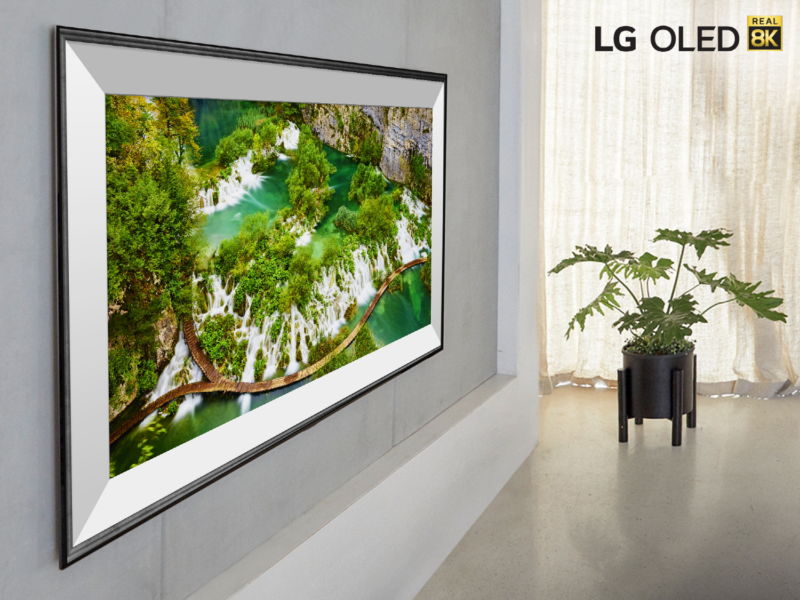
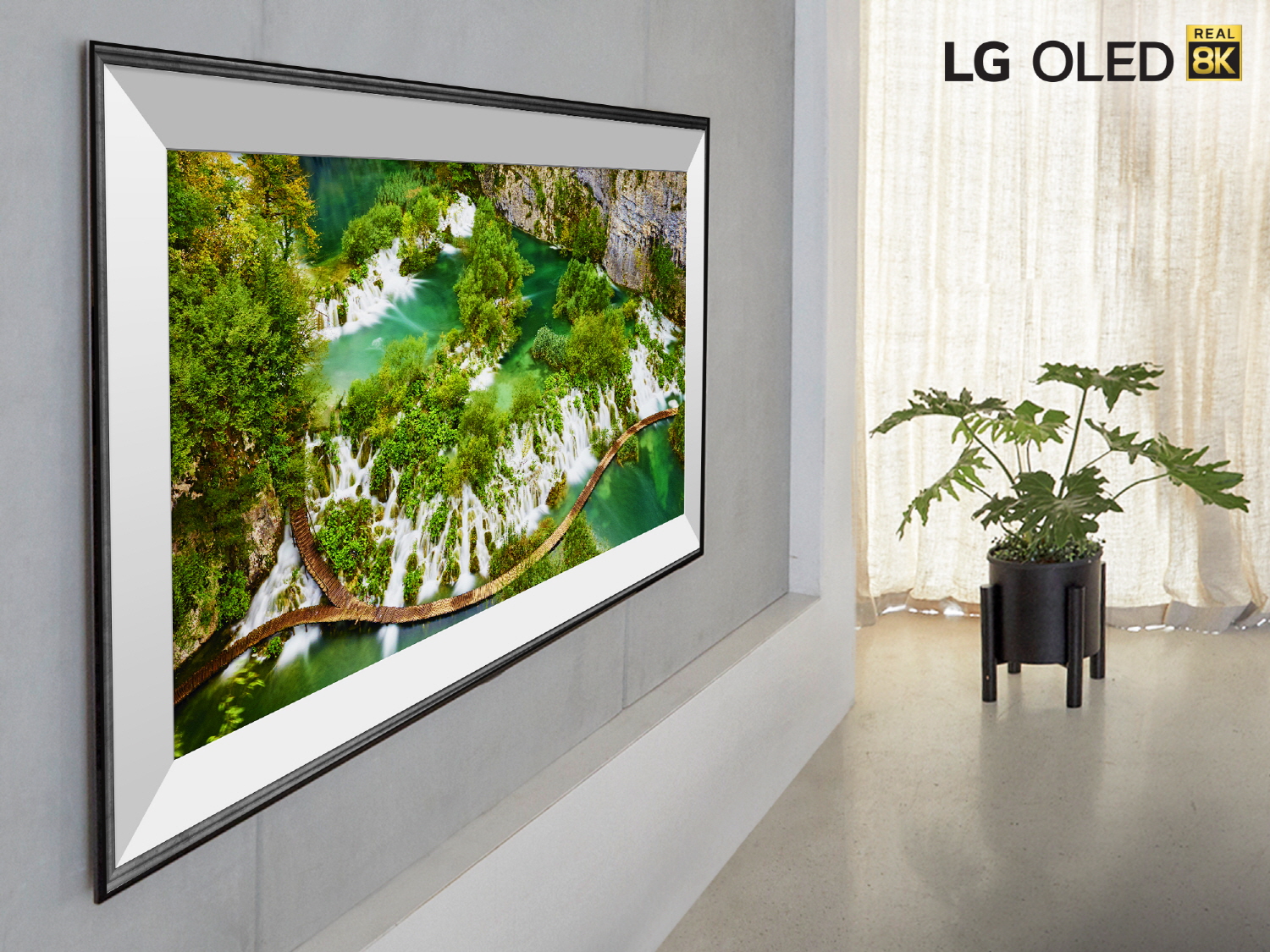
Here's a 77-inch 8K TV in a heavily photoshopped image from LG.

Enlarge / Here's a 77-inch 8K TV in a heavily photoshopped image from LG. (credit: LG)

What's going on in the world of high-end TVs? LG and Samsung's announcements at CES 2020 have already provided a clear picture of what we can expect. The latest trend is wall-mounted TVs designed to be flush with the surface they're mounted on (or close to it).

New CPUs offer machine learning-based features to improve picture quality based on the type of content viewed. Plus, LG introduced a smaller OLED model size, Samsung is pitching a TV with virtually no bezels, and new 8K models are making their way to consumers' homes.

Let's start with LG's announcements.

Read 29 remaining paragraphs | Comments

https://arstechnica.com

NASA’s planet hunting satellite found another potentially habitable earth-sized planet

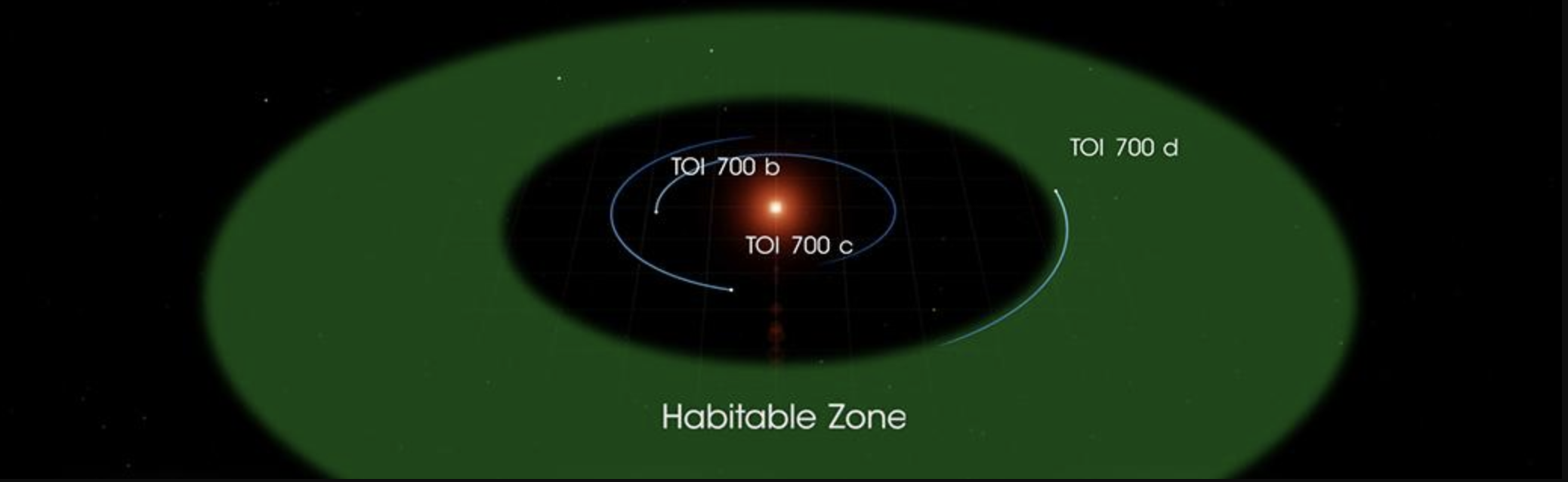
NASA’s Transiting Exoplanet Survey Satellite (TESS) has discovered another earth-sized, potentially habitable planet orbiting around a star in the range of distances where conditions could allow for the presence of liquid water on the planet’s surface.

Using NASA’s Spitzer Space Telescope scientists confirmed the find, called TOI 700 d, according to a statement from NASA’s Jet Propulsion Laboratory in Pasadena.

The new planet joins other Earth-sized planets discovered by NASA including several in the TRAPPIST-1 system and other worlds discovered by NASA’s Kepler Space Telescope. JPL said.

“TESS was designed and launched specifically to find Earth-sized planets orbiting nearby stars,” said Paul Hertz, astrophysics division director at NASA Headquarters in Washington, in a statementThe . “Planets around nearby stars are easiest to follow-up with larger telescopes in space and on Earth. Discovering TOI 700 d is a key science finding for TESS. Confirming the planet’s size and habitable zone status with Spitzer is another win for Spitzer as it approaches the end of science operations this January.”

The TESS satellite monitors sectors of the sky for 27 days at a time, allowing the satellite to track changes in the brightness of a star caused by an orbiting planet crossing in front of it.

Scientists determined that TOI 700 is a small, cool M dwarf star (also known as a red dwarf) located over 100 light-years away in the southern constellation Dorado, according to JPL.

The star that TESS examined has about 40% of the mass of the Sun and has a lower surface temperature — roughly half of the Sun’s 9940.73 degrees Fahrenheit. Three planets orbit the star, which initially appeared larger and hotter than they now are considered, thanks to a misclassification in the TESS database which originally labeled its star as more similar to the Sun (the error was spotted by a team of researchers including a high school student — Alton Spencer).

“When we corrected the star’s parameters, the sizes of its planets dropped, and we realized the outermost one was about the size of Earth and in the habitable zone,” said Emily Gilbert, a graduate student at the University of Chicago. “Additionally, in 11 months of data we saw no flares from the star, which improves the chances TOI 700 d is habitable and makes it easier to model its atmospheric and surface conditions.”

The nearest planet to the star is almost exactly the same size of the Earth, according to JPL, and completes its orbit every ten days. The star’s middle planet is 2.6 times larger than Earth — between the sizes of Earth and Neptune — and has a 16-day orbit.

It’s the outermost planet — one about 20% larger than Earth — that exists in the habitable zone. That planet orbits every 37 days and receives about 86% of the energy from its star that Earth receives from the sun.

All of the planets are thought to be tidally locked to their star, which means that they rotate once per orbit. And because TOI 700 d is tidally locked to its star, the planet’s cloud formations and wind patterns may be strikingly different from Earth’s.

Right now, scientists will rely on computer modeling based on the planet’s size and the type of star it’s orbiting to make predictions about its composition and potential geography.

In one simulation, scientists envisioned an ocean-covered world with a dense, carbon-dioxide rich atmosphere akin to their assumptions about what Mars was like when it was first forming. That model of the atmosphere has a deep layer of clouds on the star-facing side. Meanwhile, another potential vision of the planet predicts a cloudless entirely land-covered version of Earth, where winds whip from the night side of the planet and converge on a point directly facing the planet’s star.

Researchers use signals called spectral lines, which are detected from the passage of starlight through the planet’s atmosphere to project what the planet’s surface might look like.

When starlight passes through a planet’s atmosphere, it interacts with molecules like carbon dioxide and nitrogen to produce distinct signals, called spectral lines. produced simulated spectra for the 20 modeled versions of TOI 700 d.

“Someday, when we have real spectra from TOI 700 d, we can backtrack, match them to the closest simulated spectrum, and then match that to a model,” said Gabrielle Englemann-Suissa, a Universities Space Research Association visiting research assistant at Goddard, and the leader of the modeling team. “It’s exciting because no matter what we find out about the planet, it’s going to look completely different from what we have here on Earth.”

TESS is a NASA Astrophysics Explorer mission led and operated by MIT in Cambridge, Massachusetts, and managed by NASA’s Goddard Space Flight Center. Additional partners include Northrop Grumman, based in Falls Church, Virginia; NASA’s Ames Research Center in California’s Silicon Valley; the Harvard-Smithsonian Center for Astrophysics in Cambridge, Massachusetts; MIT’s Lincoln Laboratory; and the Space Telescope Science Institute in Baltimore, according to a statement.

Three years later, Sony is still hitting sales milestones for its VR headset

Sony hasn’t had much to say about their virtual reality platform lately, but the company’s PlayStation VR headset, which was released more than 3 years ago, has still been racking up sales. At the company’s CES press conference this evening, they announced that they have now sold 5 million PS VR units.

In regards to this latest metric, there isn’t much to compare it to out there as most VR companies aren’t keen to share just how slow the industry has moved over the past 5 years, but Sony seems to feel pretty good about how their first release has fared. While HTC, Valve and Facebook have all been pretty loud in marketing their VR efforts, an industry secret is that the PlayStation VR makes up a pretty sizable percentage of most developers’ active player bases, representing a lot of dev’s most engaged platform.

The PlayStation VR hasn’t received a major update since its release, and it doesn’t seem that Sony plans to ship an update to coincide with the PlayStation 5’s launch — though the current generation headset will be compatible with the new system, the company has detailed.

YouTube starts limiting ad targeting and data collection on kids content

YouTube now officially limits the amount of data it and creators can collect on content intended for children, following promises made in November and a costly $170 million FTC fine in September. Considering how lucrative kids’ content is for the company, this could have serious financial ramifications for both it and its biggest creators.

The main change is, as announced in November, that for all content detected or marked as being for kids, viewers will be considered children no matter what. Even if you’re a verified, paying YouTube Premium customer (we know you’re out there) your data will be sanitized as if YouTube thinks you’re a 10-year-old kid.

There are plenty of reasons for this, most of them to do with avoiding liability. It’s just the safer path for the company to make the assumption that anyone viewing kids’ content is a kid — but it comes with unfortunate consequences.

Reduced data collection means no targeted ads. And targeted ads are much more valuable than ordinary ones. So this is effectively a huge revenue hit to anyone making children’s content — for instance YouTube’s current top-earning creator, Ryan Kaji (a kid himself).

It also limits the insights creators can have on their viewers, crucial information for anyone hoping to understand their demographics and improve their metrics. Engagement drivers like comments and notifications are also disabled, to channels’ detriment.

Google for its part says that it is “committed to helping creators navigate this new landscape and to supporting our ecosystem of family content.” How exactly it plans to do that isn’t clear; Many have already complained that the system is not clear and that this could be a death sentence for kids’ channels on YouTube.

Now that the policy is official we’ll probably soon hear exactly how it is impacting creators and what if anything Google actually does to mitigate that.

MediaTek says it has started to use Intel Foundry's advanced chip packaging in addition to TSMC's, as the mobile chip designer bets on AI demand for growth (Cheng Ting-Fang/Nikkei Asia)

Cheng Ting-Fang / Nikkei Asia : MediaTek says it has started to use Intel Foundry's advanced chip packaging in addition to TSMC's...