Sunday, September 22, 2019

How Peloton made sweat addictive enough to IPO

It makes lazy people like me work out. That’s the genius of the Peloton bicycle. All you have to do is velcro on the shoes and you’re trapped. You’ve eliminated choice and you will exercise. Through a succession of savvy product design choice I’ll break down here, Peloton removes the friction to getting fit. It’s the leader in a movement I call “pushbutton health”. And this is why I think Peloton will be a big succes no matter what short-term investors do when it IPOs this week after raising $994 million in venture capital.
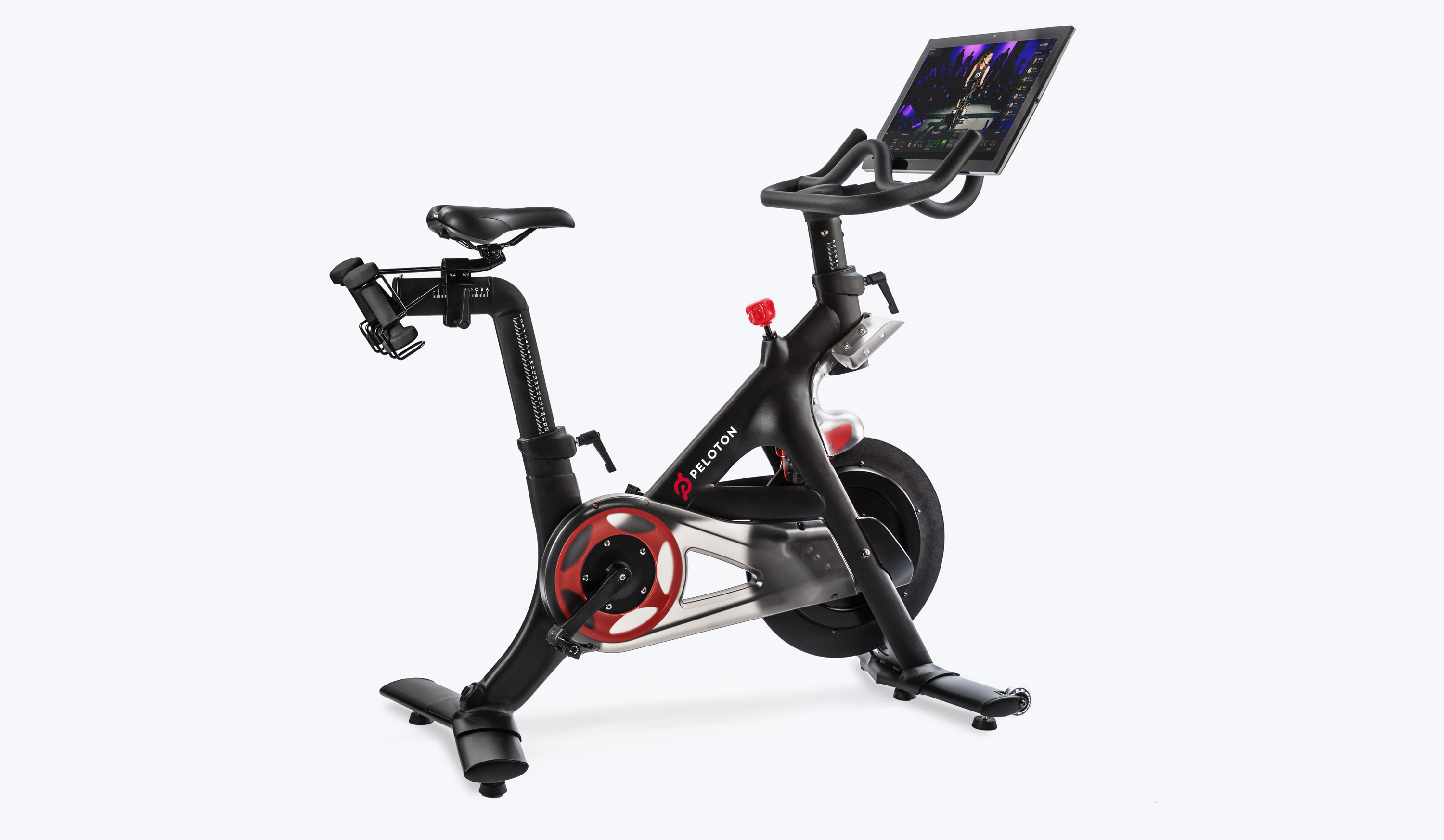
Peloton Bike Photo

The bike

Basically, Peloton is a $2300 stationary bike with an iPad stuck to the front. The $40 per month subscription unlocks thousands of live and on-demand video cycling classes where instructors positively yell at you. When you think you’re tired already, they look into your eyes, tell you “you got this”, the soundtrack crescendos, you crank up the resistance, and you pedal harder at home. The resulting endorphin rush is addictive, and you find yourself persuading friends they need a Peloton too.

That viral loop which adds to its 500,000 subscribers is how Peloton plans to raise ~$1.16 billion going public this week at an ~$8 billion valuation. Its revenue doubled this year as it began to dominate the connected exercise equipment market, though losses quadrupled as it burned cash to become a household name. But after riding 110 of 150 days I’ve been home since buying its bike, I’m confident in the company. Whatever it invests now to build its lead will likely be paid back handsomely by its increasingly handsome customers who can’t bear to clip out. Here’s why.
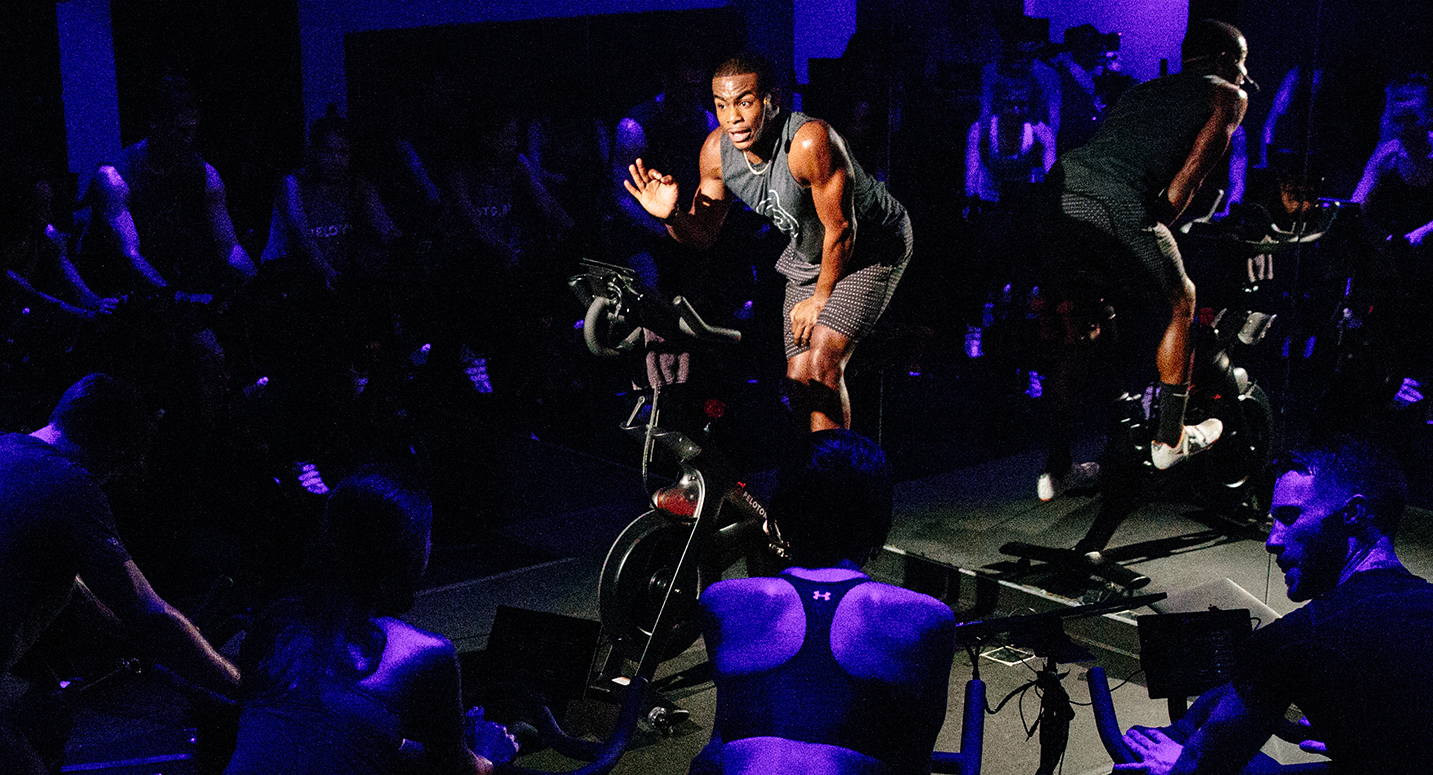
Peloton Class

Peloton classes are recorded in front of a live studio audience of riders

The Brilliance Of This Bike

The Shoes – Usually the activation energy to start a workout requires dragging yourself to the gym or suiting up to face the elements outside. That can be daunting enough that you rarely do. But once you slip into the Peloton bike shoes, you can hardly walk normally which means you can hardly procrastinate. You’re home so you don’t even need clothes. Just a few velcro straps and you’re over the hump and resigned to exercise.

The Clips – Home gym equipments reduces the barrier to entry but also the barrier to exit. You can tell yourself you’ll keep doing push-up sets or squats jumping rope, but you can stop any time. Yet after you’re clipped into the Peloton bike, you’re almost assured to keep pedaling until the instructor gives you that end-of-ride congratulations.

Peloton Shoes

Just put the shoes on and you’ll exercise

The Schedule – You can get a sweat in just 10 or 20 minutes going hard on a Peloton. Combined with zero commute, that means you’ll practically always be able fit in a ride regardless of how busy you are. No more “I don’t have time to make it to the gym so I’ll just skip out”. When my calendar gets crunched or I dawdle a little before deciding to ride, classes as short as 5 minutes ensure there’s no weaseling out.

The Instructors – I wish I had these coaches to motivate me through sorting email. Peloton’s 20+ instructors range from hippie-dippie gurus to no-nonsense trainers that fit your personality type. You find yourself craving your favorite’s special brand of relentless positivity. I burn far more calories in a shorter time than exercising solo because they inspire me to push a little harder or they slow their countdown to add a couple all-out seconds to the end of a sprint. They’re even becoming celebrities, with bankers lining up for selfies during Peloton’s IPO road show. Sick of them? You can always Scenic Ride through video of some of the world’s prettiest bike paths.

Peloton Instructors

Peloton instructors (from left): Alex Toussaint, Emma Lovewell, Ben Alldis, and Leane Hainsby

The Intimacy – You’re eye-to-eye with those instructors as they stare into the camera and out of the giant screen bolted to your handlebars. That generates intimacy despite them broadcasting to thousands. Even in person, a SoulCycle coach across the room can feel further away. You’re mostly guided by audio cues, but their gaze compels you to perform. Peloton almost feels like FaceTime, and that’s a sense of connection many long for more of these days.

The Pavlovian Response – Your brain quickly begins to associate the sounds of Peloton with the glowing feeling of finishing a workout. The rip of the velcro shoe straps, the click of clipping into the bike, but most of all the instructor catch-phrases. You get hooked on hear the bubbling British accent of “I’mmmm Leeaannne Haaaaainsby” as she introduces herself, Ben Alldis’ infectious “You got 5, you got 4…” countdowns, or Emma Lovewell reminding you to “Live, learn, love well”. That final ‘namaste’ followed by wiping down the bike and jumping in a cold shower forms a ritual you’re inclined to repeat.
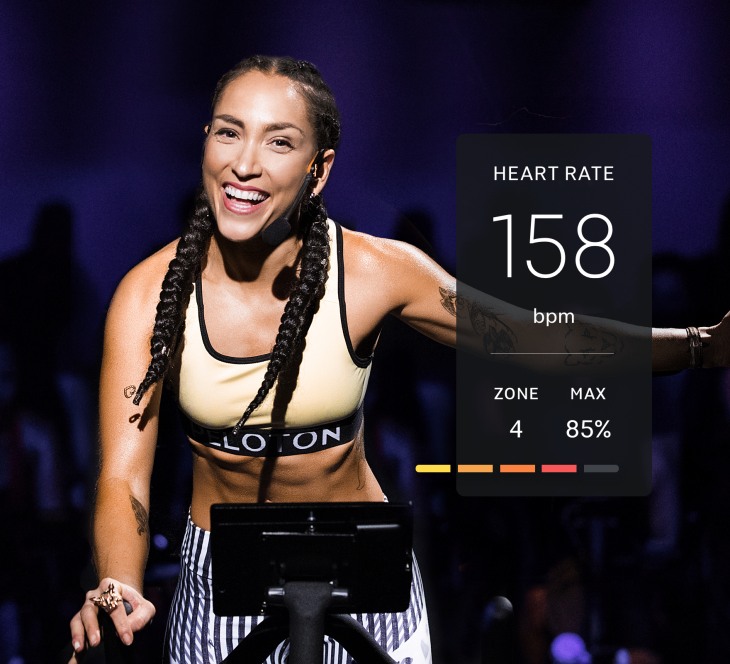
Peloton Class

Eye-contact with the instructors creates an intimate bond

The Soundtrack – Popular songs are more than just a pump-up accompaniment to Peloton classes. Your pedaling pace is often pegged to the tempo, with sprints starting when the beat drops. As your legs tire, you feel obliged to maintain your speed so you don’t fall behind the drums. You can even search classes by music genre and preview each’s playlist. Peloton has paid out $50 million in royalties for its music, and faces $300 million-plus in lawsuits for copyright infringement. But having the best tunes to bike to might end up worth the penalty since it helped Peloton race ahead in a lucrative market.

The Bike As Decor – Most home exercise equipment ends up in a closet or as a clothing rack. By designing its bicycles for beauty, Peloton coerces you to place them conspicuously in your home. You might have seen the hysterical Twitter thread parodying this practice, but it’s funny because it’s true. You’re a lot more likely to ride it if it’s central to your home (ours is between our bed and the doors to the veranda), and you’ll be embarassed if visitors ask about it and you haven’t hopped on recently.
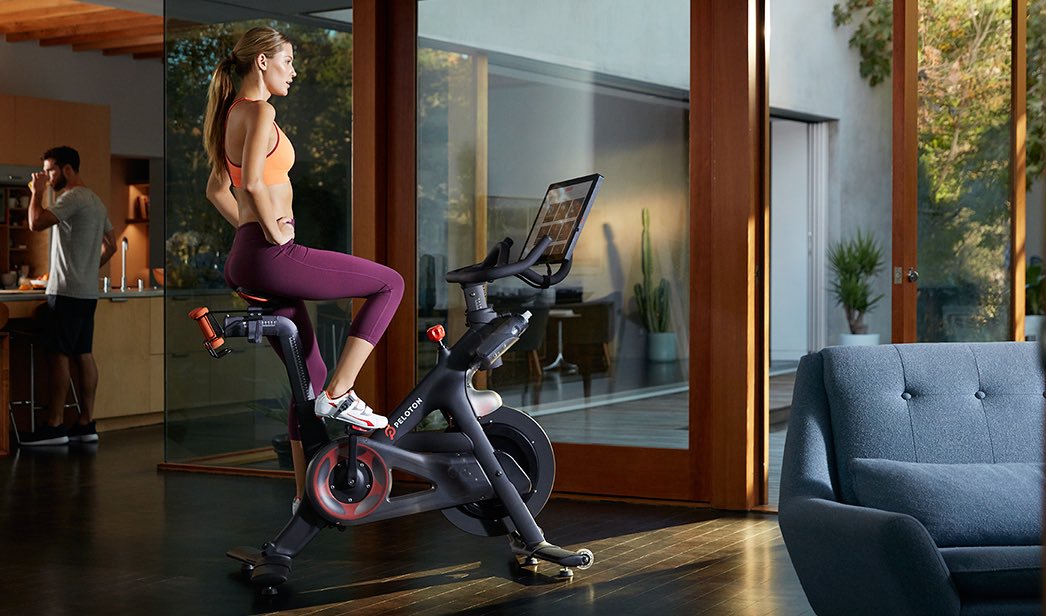
Dx9pHXuUwAAixVa

“A good place for your Peloton bike is between your kitchen and your living room facing the cactus garden so you always remember virtual spin class” –ClueHeywood on Twitter

The Network Effect – Many of these smart product design moves could be copied by competitors. But by amassing a community of 1.4 million members to date, Peloton benefits from social features and economies of scale. You can ride together with pals over video chat, send each other digital high fives, or race and compare achievements. Each friend that joins Peloton is one more reason not to sign up for a competitor. The whole concept virtual personal training is being legitimized. And the cost of producing more classes gets spread wider as membership grows.

The Shared Accounts – Peloton has even built in a way to feel noble about your sanctimonious prosyletizing about how it “jumpstarted your metabolism”. Each $39 on-bike subscription allows unlimited accounts on up to three devices, so you can hook up some friends if you convince them to buy the big-budget gadget.

Peloton High Five

High-five fellow riders as you virtuall pass them

The Growth Hacks – Peloton streaks are for adults what Snapchat streaks are to kids: a clever way to reward consistent usage. But beyond the achievement badges displayed on your profile, you’ll get in-ride leaderboards full of people to proudly pass, progress bars to fill by pedaling, and kilojoule output high scores to beat. Peloton makes exercise a game you want to win.

The Shoutouts – Yet Peloton’s most explicit levering of our psychology comes from the in-class name-drop shoutouts instructors give. Whether mentioning the screen names of a few participants at the start of a session or congratulating users hitting their 50th, 200th, or 500th ride, the recognition pushes people to join the dozen live-streamed classes each day that add urgency to the on-demand catalog. Proof it works? People strategize to ensure their 100th ride is a long live class to maximize the chance of a shout-out.

Peloton Century Club Free Shirt

A free cult shirt after your 100th ride

The ‘Transcendence’ – Peloton minimizes the isolation from working out at home. In fact, its whole product enables people to feel ‘glamorous’ and ‘manifested’ yet nonchalant in ways going to a sweaty gym or using a personal trainer can’t. It’s like being able to buy a little piece of the smug satisfaction and in-group affiliation of going to Burning Man. That’s why the company even sends you a free “Century Club” t-shirt when you hit your 100th ride. You’re meant to feel cool sharing that you “Peloton”, using the startup’s name as a verb.

Peloton Conspicuous Self Actualization 2

Conspicuous Self-Actualization

Still, Peloton has plenty left to optimize. There’s room to expand use of its camera to offer premium one-on-one coaching, head-to-head racing, group video chat with friends, and augmented reality filters to make people feel comfortable on screen and take shareable selfies. A wider range of intense but short classes could appeal to overworked professionals who picked Peloton precisely because they don’t have an hour for the gym.

Novelty could come from celebrity guest instructors, or themed classes for pre-gaming for a night out, fans of a particular artist, or songs about a certain topic. And it should definitely have some iconic sounds like an om or singing bowl chime that play before each class to center you and after to release you.

Most excitingly, the Peloton screen has the potential to be a platform for exercise-controlled gaming and apps. Whether pedaling to escape zombies chasing you or piece together a puzzle, maintaining an output level to keep your cross-hairs locked on an enemy plane as you dogfight, or making a garden bloom by growing each flower during a different interval, Peloton could evolve riding to be much more interactive. Apps could offer training simulators for different sports focused on sprints for basketball or marathons for soccer. Or just put Netflix on it! By opening up to outside developers, Peloton could build a moat of extra experiences competitors can’t match.

With the strengths and opportunities of its core product, Peloton is poised to absorb more of your fitness time and money. It’s already branching out with yoga, meditation, lifting, bootcamp, and jazzercise classes you can do standing next to your bike or without one on its $19 per month app. Its second gadget is a $4300 treadmill.

From there it could break into more of the “pushbutton health” business. I categorize these as wellness products and services that rely on convenience instead of your will power. Think delivery health food instead calorie-counting apps that are a chore. My pushbutton regimen includes Peloton, six salads per week dropped off in batches by Thistle, monthly packages of Nomiku vacuum-sealed meals that RFID scan into its sous vide machine, and a Future remote personal trainer who nags me by text message.
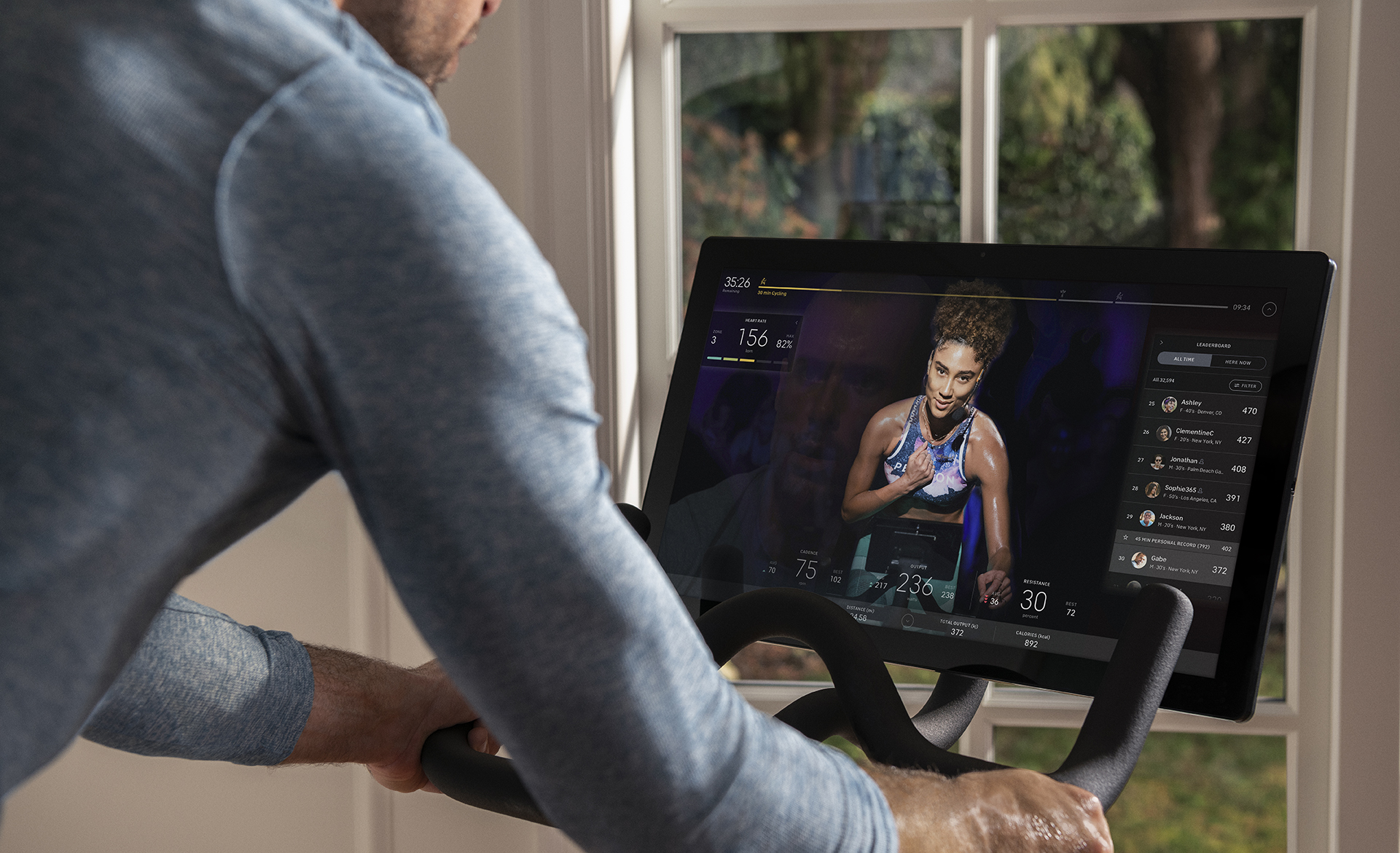
Peloton Coaching

It’s easy to get hooked on the positivity

Peloton could easily dive into selling meal kits, personal training, or a wider range of workout clothes to compete with Lulu Lemon. If it’s the center of your fitness routine, the company could become a gateway to new health products it owns or partners with.

I’m bullish on Peloton because I’m betting people are going to stay busy, lazy, and competitive. It offers the effectiveness of a spin class but with scheduling flexibility. It removes every excuse for staying on the couch. And in an age of visual communication where many seek to share both the journey to and the destination of an Instagrammable body and the discipline to ge there, Peloton provides conspicuous self-actualization through consumerism. Plus, finishing a ride feels damn good.

100 Thieves’ Nadeshot and Scooter Braun are coming to Disrupt

If you’re at all familiar with esports, chances are you’ve heard of 100 Thieves. The esports org, founded by Matthew “Nadeshot” Haag, has grown over the past couple years into an absolute powerhouse of esports and a household name for those who follow gaming.

Which is why we’re thrilled to have Nadeshot and 100 Thieves part owner Scooter Braun join us at Disrupt SF 2019.

Matthew Haag got his start as a pro gamer when esports were still in their infancy. He became one of the most decorated esports athletes in history, serving as Captain of the legendary Optic Gaming CoD team where he led the team to an X Games Gold Medal and a CoD World Championship.

In 2015, Nadeshot retired from competitive gaming and started some of the most-watched YouTube and Twitch channels in the gaming world. A year later, he founded his own esports org with 100 Thieves, which combines streaming content, competitive esports and apparel under a single brand name.

Scooter Braun is one of the biggest names in the entertainment industry, managing megastars like Justin Bieber and Arianna Grande. But Bruan is also the founder of SB Projects, which is a highly diversified media company that focuses on music management, film/TV, as well as Silent Labs, a tech incubator which holds investments in companies like Uber, Spotify, Songza, Casper, Waze, and Pinterest.

Braun is also at the helm of Ithica Holdings, which made waves this year with the acquisition of Big Machine Label Group (Taylor Swift’s former label). Ithica also owns Mythos Studios with Marvel Founding Chairman David Maisel, Atlas Publishing and has partnerships with various management companies.

In 2018, Drake and Scooter Braun became co-owners in 100 Thieves through a $25 million Series A investment.

At Disrupt SF, we’ll ask Braun and Nadeshot about the opportunities ahead in the esports industry, what it’s like to grow a brand and team from scratch, and how they see esports evolving over the next few years.

Nadeshot and Braun join an amazing list of speakers, including Joseph Gordon-Levitt, Will Smith and Ang Lee, Snap CEO Evan Spiegal, Zola CEO Shan Lyn Ma, and many more.

Disrupt runs October 2 to October 4 right in San Francisco. If you still need tickets, you can pick those up right here.

Legalist, which funds lawsuits for a cut of settlements based on algorithmically calculated chances of winning, raises a $100M legal fund, ~10x its first one (Connie Loizos/TechCrunch)

Connie Loizos / TechCrunch:
Legalist, which funds lawsuits for a cut of settlements based on algorithmically calculated chances of winning, raises a $100M legal fund, ~10x its first one  —  If you haven't heard much about litigation finance, that may change soon.  The practice dates back decades …


JD.com launches Jingxi, its online group-buying service focused on China's lower-tier cities and rural areas, to compete with Pinduoduo (Wency Chen/KrASIA)

Wency Chen / KrASIA:
JD.com launches Jingxi, its online group-buying service focused on China's lower-tier cities and rural areas, to compete with Pinduoduo  —  Beijing-based JD.com has launched its online group-buying service Thursday in a move to catch up with China's social e-commerce tide that gave rise …


Sources: several WeWork directors, including SoftBank members, plan to push for Adam Neumann to step down as CEO (Wall Street Journal)

Wall Street Journal:
Sources: several WeWork directors, including SoftBank members, plan to push for Adam Neumann to step down as CEO  —  SoftBank officials are among those expected to push for Neumann ouster  —  A bloc of WeWork directors is planning to push Adam Neumann to step down as chief executive …


A look at STOP ransomware, which has been one of the most actively distributed ransomware in the past year, according to the ID Ransomware database (Lawrence Abrams/BleepingComputer)

Lawrence Abrams / BleepingComputer:
A look at STOP ransomware, which has been one of the most actively distributed ransomware in the past year, according to the ID Ransomware database  —  Have you ever heard of the STOP Ransomware?  Probably not, as few write about it, most researchers don't cover it, and for the most part …


iPhone 11 Pro teardown reveals smaller logic board, larger battery

iFixit has disassembled Apple’s new iPhone models, which tells us more about the differences with last year’s phones. iFixit shot a live-stream video of the iPhone 11 Pro teardown and wrote a guide for the iPhone 11 Pro Max.

The first major difference is that the batteries in the iPhone 11 Pro and iPhone 11 Pro Max are much larger than the batteries in the iPhone XS and iPhone XS Max.

On the iPhone 11 Pro Max, the device is .4 mm thicker and the screen is .25 mm thinner. As John Gruber expected, dropping 3D Touch from the iPhone lineup makes the screen slightly slimmer. 3D Touch required an additional layer under the display to register pressure on the screen.

That might feel like a tiny difference, but it frees up some space for the battery. The iPhone 11 Pro and iPhone XS have the same single-cell L-shaped design. But the Max version has been updated to use the came single-cell design instead of two cells.

The result is that the iPhone 11 Pro Max now has a 3,969 mAh battery compared to a 3,179 mAh battery in the iPhone XS Max. It represents a nearly 25% year-over-year improvement for the Max battery.

Those hardware refinements combined with a more efficient A13 system-on-a-chip create some significant battery life improvements for the user. Apple claims that the iPhone 11 Pro and iPhone 11 Pro Max last up to 4 hours and 5 hours longer respectively compared to the previous generation.

iphone 11 livestream featured 1350x900

(Photo credit: iFixit)

In other news, the camera module is much bigger in this year’s new device (as expected). Apple managed to put a third camera by reducing the size of the logic board.

The logic board has the same dual-layer design that was first introduced with the iPhone X. It’s like a club sandwich of chips. Even though Apple and Qualcomm has settled its multi-billion-dollar lawsuits, the modem in the iPhones 11 Pro is still manufactured by Intel.

When it comes to things that we don’t know yet, iFixit couldn’t figure out how much RAM there is — Steve Troughton-Smith believes there might be 2GB of RAM dedicated to the camera that you wouldn’t notice on benchmarks.

Similarly, there are now two battery connectors instead of one. It’s hard to say for sure that the second connector has been added for bilateral wireless charging — it could be there for many different reasons. Rumor has it that Apple wanted to add reverse wireless charging but canned the feature at the last minute.

Overall, iFixit gives a repairability score of 6 out 10. The iPhone XS models also got a 6 out of 10 rating.

Our motto: Dronepocalypse Now

Last week someone knocked out 5% of world oil production with a small swarm of drones and cruise missiles, and in doing so, inaugurated “a change in the nature of warfare globally,” to quote The Independent. These were relatively crude drones, too. Let’s pause a moment to imagine what happens if and when sophisticated autonomous drones become cheap enough for even small groups of technically capable insurgents and terrorists to use at scale.

There’s controversy over where and whom the Abqaiq–Khurais attack came from. Even in cases like this, where video exists and wreckage is indicative — “serial numbers on some of the missiles used by the Yemeni rebels in past attacks reveal their Iranian origin” — attribution is hard. What happens if and when autonomous attack drones can be built relatively easily from off-the-shelf parts?

We’re already in the midst of a new arms race. Here’s some video of Indra’s anti-drone system. Here’s Raytheon’s Windshear. Here’s Boeing’s Compact Laser Weapon System. Startups are in on the action too: Dedrone and especially Fortem.

The need for these defenses is obvious. Remember when small, unarmed commercial drones basically shut down the second busiest airport in the UK for days last year?

But, looking forward, will those detect small autonomous drones which hug the ground while avoiding obstacles like a Skydio? Or kamikaze drones which can conceivably defend themselves? Iterations will continue, on both sides, in a classic arms race. One side builds better defenses; he other side builds bigger drones that fly faster/farther and carry more explosive and nosedive onto their targets, or smaller nimbler drones that outswarm defenses; then the defenders upgrade; then the attackers innovate. All in a highly irregular, punctuated way, over the space of years.

That future already seems all but guaranteed. But the bigger question is: even if you can protect hard targets — oil infrastructure, airports, the White House, etc. — how do you defend against the innumerable soft targets out there? What happens when autonomous drones can recognize and target a particular license plate on the highway, and are all but impossible to track back to the attacker?

I’ve been asking these questions for more than a decade now and I still don’t have any good answers. What I do know, though, is that we’d best start analyzing and answering these questions before we are thrown into collective irrational panic and fury by some kind of widespread coordinated drone attack, high-profile assassination, and/or soft-target drone massacre … because if we wait until that hits, we’re pretty much guaranteed to get our answers wrong.

Week in Review: Is a new golden age of piracy around the corner?

Hey all. This is Week-in-Review, where I give a heavy amount of analysis and/or rambling thoughts on one story while scouring the rest of the hundreds of stories that emerged on TechCrunch this week to surface my favorites for your reading pleasure.

Last week, I talked about Apple’s aggressive moves to change the gaming market.


GettyImages 138419088

(Photo by Andrew Eccles/NBC/NBCU Photo Bank via Getty Images)

The big story

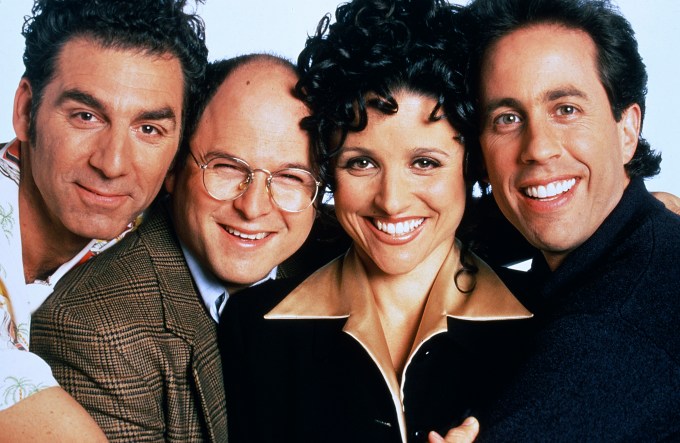
If you pay attention to your NBC and CBS sitcoms, you may have skimmed over news this week that Seinfeld and The Big Bang Theory picked sides in the streaming wars, selling out for glorious paydays. HBO bought TBBT for a billion dollars for its upcoming HBO Max service and Seinfeld went to Netflix for a cool half-billion. Both of the five-year deals carried hefty price tags but they also offered people pause to consider just how many dedicated streaming networks there are now.

Legacy sitcoms bringing people to streaming networks isn’t new, see “Friends,” but something feels particularly different now with HBO set to launch an expanded service, Apple ready for a $4.99 full-court press with TV+ and Disney about to leverage their content mega-franchises. Oh, and this week NBC announced its own service “Peacock.” Wheee.

The old age of paying for 50 channels with nothing left to watch because you haven’t paid for the upgraded package seems to be growing more familiar. All of this makes me wonder, where the tipping point is for internet users to return en masse to their pirating ways.

One could argue that TV and movie piracy subsided, in part, because networks learned how the internet functioned and took shows that were stuck on dated platforms and aggregated them inside products that were dead simple, easy to access and cheap. The latest paradigm shifts of streaming seem to be moon-walking back to where they once were before Netflix and Hulu.

We’re not there quite yet, but everything seems to be moving in that direction while the phrase “cable cutter” seems to be growing a bit quaint.

Send me feedback
on Twitter @lucasmtny or email
lucas@techcrunch.com

On to the rest of the week’s news.

(Photo by Phillip Faraone/Getty Images for Rivian)

Trends of the week

Here are a few big news items from big companies, with green links to all the sweet, sweet added context:

  • Amazon places a big order for electric delivery trucks
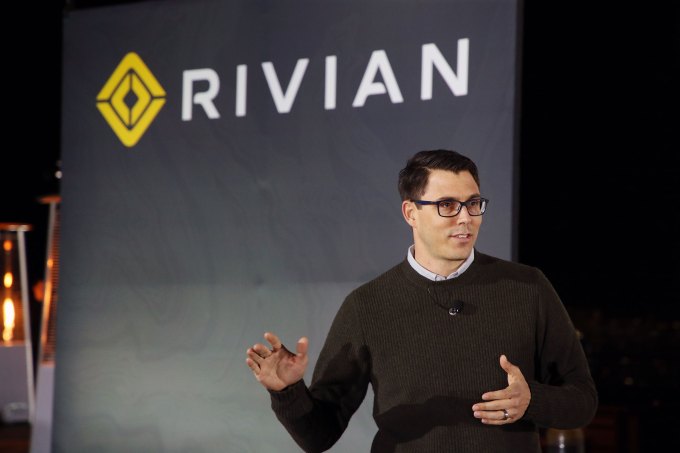
    There was a good deal of interesting stuff that went down this week, the most intriguing was that Amazon placed a massive order from the electric vehicle maker Rivian for 100,000 electric vans, a number that will approach the number of UPS trucks out in the wild. Read more here.
  • Review: iPhone 11 and iPhone 11 Pro
    The new iPhones are here and my boss has some thoughts on the new cameras. Read more here.
  • Facebook lands on your TV
    Facebook is still making smart home hardware for some reason that I truly don’t grasp, but their latest product is at least pretty interesting. The Portal TV is a $149 camera that sits near your TV and brings Messenger video-chatting and some more odd features to your TV watching experience. Read more here.

(Photo by Justin Sullivan/Getty Images)

GAFA Gaffes

How did the top tech companies screw up this week? This clearly needs its own section, in order of badness:

  1. Facebook slaps its developer base on the wrist:
    [Facebook has suspended “tens of thousands” of apps suspected of hoarding user data]

Disrupt SF

Our biggest event of the year is right around the corner and we’re bringing in some of the most important figures in the tech industry. Here’s who’s coming to Disrupt SF 2019.

In addition to taking in the great line-up of speakers, you can roam around Startup Alley to catch the more than 1,000 companies showcasing their products and technologies. And of course the Startup Battlefield competition that launched the likes of Dropbox, Cloudflare and Mint will once again be one of the biggest highlights of Disrupt SF.

Sign up for more newsletters in your inbox (including this one) here.

Sources: anti-Amazon "grass roots" non-profit FFMI, which actively lobbies and influences media op-eds, is funded by Walmart, Oracle, other Amazon competitors (James V. Grimaldi/Wall Street Journal)

James V. Grimaldi / Wall Street Journal:
Sources: anti-Amazon “grass roots” non-profit FFMI, which actively lobbies and influences media op-eds, is funded by Walmart, Oracle, other Amazon competitors  —  Walmart, Oracle and mall owner Simon Property Group are secret funders behind a nonprofit that has been highly critical of the e-commerce giant


Google rolls out latest Chrome 77 update for Android, Linux, Windows, iOS

Google just released the stable version of Chrome 77 last week. The update rolled out to Android, Windows, Linux and iOS platforms and came with a bunch of new features and bug fixes. In the next few weeks, another Chrome update will be released for both desktop and Android users.

The new features include a brand new grid layout. This will make it easier for users to select tabs and preview open tabs as thumbnails. It will also make it easier for users to group tabs on Android devices. You can do this by simply dragging and dropping the selected tab on top of another tab in the grid layout. This allows you to switch between tabs using the tab switcher, located in the bottom of the screen.

In terms of the address bar, users will now receive answers directly in the address bar itself. So when you’re looking up an event or film, the information will be displayed in the address bar while you type the question. These seem like minor but essential updates to the browser.

Users can now customise their backgrounds, colours and themes for a different Desktop experience. Head on over to the Customise Tab that is located in the bottom right corner to make the necessary changed. The feature also allows users to change the colour of the browser to suit their personal tastes. Stay tuned for more news and updates on Google’s next Chrome update.


https://ift.tt/30iFUco

20 toughest questions from Google job interviews

https://ift.tt/2JKAQSb

New data from Kruze Consulting finds 60% of funded startups paid for Slack, while only 12% paid for the Office software bundle that includes Teams (Rani Molla/Vox)

Rani Molla / Vox:
New data from Kruze Consulting finds 60% of funded startups paid for Slack, while only 12% paid for the Office software bundle that includes Teams  —  Nearly 60 percent of funded startups pay for Slack — much higher than the rate for Microsoft Teams.  —  Slack is still king at startups.


Samsung M30s, iPhone 11, Vivo V17 Pro, and Other Tech Stories of the Week

Samsung M30s launched in India this week, while the iPhone 11 series and Apple Watch Series 5 went up for pre-orders in India. The Vivo V17 Pro, Nokia 7.2, and Moto E6s also launched, while Google... https://ift.tt/34VlvsB

Xiaomi teases new phone to be built using premium materials

Xiaomi just released a teaser for the company’s line of upcoming flagship 5G phone. The teaser essentially hints that the upcoming phone will be built using premium materials. From all the rumors and speculations, we can assume that the next phone will be the Mi MIX Alpha. 

As per the teaser, we can clearly see that the three materials shown are Titanium (Ti), Silica (SiO2) and Alumina (AI203). While these materials may seem new, they’re used in a lot of other smartphones. Generally, Titanium is used to build the frame while Silica is used on the screen and Alumina is used to make hard glass. Apparently, the phone will be built using all three materials. 

The images were shared by the company on its official Weibo account. We can guess that the phone could also feature a 100 percent screen-to-body ratio from other teasers and rumors. 

The new Mi Mix Alpha is going to be launched on September 24th alongside the Mi 9 Pro 5G smartphone. It could be powered by a Qualcomm Snapdragon 855 Plus with up to 12GB of RAM. The internal storage on this phone could be 512GB. The software is likely to be MIUI 11 which will also make its debut at the same event as Xiaomi's latest custom skin.


https://ift.tt/31DwDrU

Russian cryptocurrency payment network A7 expands to Africa, as Moscow builds an alternative payments system amid western sanctions after its Ukraine invasion (Financial Times)

Financial Times : Russian cryptocurrency payment network A7 expands to Africa, as Moscow builds an alternative payments system amid weste...