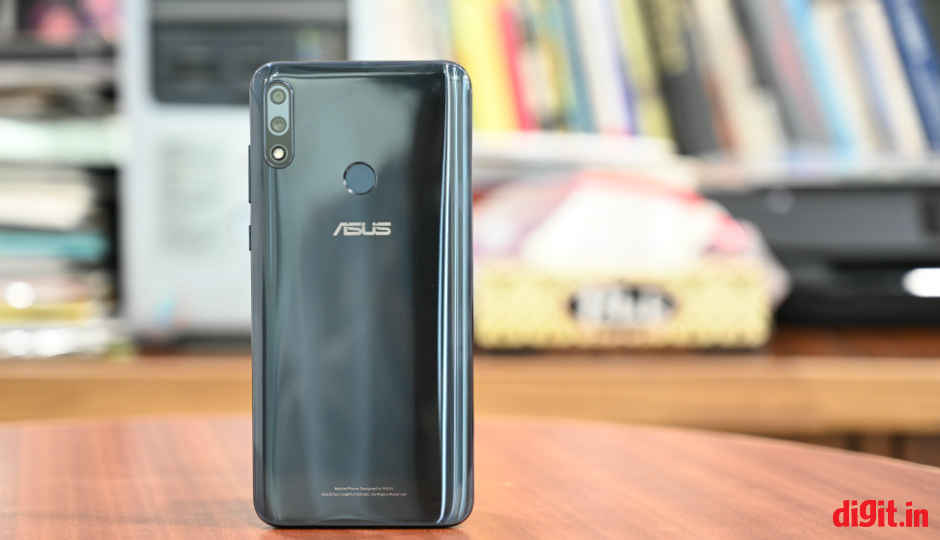
Highlights: Asus revised the prices of its flagship, mid-range and budget Android devices. The price cuts come after Samsung introduced a range of mid-range and budget smartphones in the new Galaxy M series. The price cuts already reflect on Flipkart and will be permanent. Asus has slashed prices of its entire 2018 smartphone lineup including the Asus Zenfone 5Z, Zenfone Max Pro M1, Zenfone Max Pro M2 and Zenfone Max M2. After the price cut, the Asus Zenfone Max Pro M1 will start from Rs 8,499, Rs 500 lower than the Rs 9,999 starting price. The Zenfone Max Pro M2 also got a big price cut of Rs 3,000 and will now be available from Rs 9,999. The flagship Asus Zenfone 5Z which launched at Rs 29,999 will now be available from Rs 24,999. Finally, the Asus Zenfone Max M2, the company’s budget Android will also be available from Rs 8,499, down from the launch price of Rs 9,999. The price cuts come in the face of Samsung launching a range of mid-range devices including the Samsung Galaxy M10, Galaxy M20 and the Galaxy M30, all under Rs 15,000. The price-cut could also be a reaction to the launch of the Xiaomi Redmi Note 7 Pro that launched at Rs 13,999 and comes with a 48MP camera on the back. The 3GBRAM/32GB storage variant of the Asus Zenfone Max Pro M1 will now be selling for Rs 8,499 while the 4GB/64GB variant will retail for Rs 10,499. The 6GB RAM variant of the phone will be sold at Rs 12,499. The successor to the phone, the Zenfone Max Pro M2 also received a big price-cut. The base variant with 3GB RAM and 32GB stroage will be available for Rs 9,999 while the 4GB/64GB variant will come for Rs 11,999. Finally, the variant with 6GB RAM and 64GB storage will come for Rs 13,999. The budget Asus Zenfone Max M2 with 3GB RAM and 32GB storage will come for Rs 8,499 while the 4GB RAM variant with 64GB storage will retail for Rs 10,499. The flagship Asus Zenfone 5Z with 6GB RAM and 64GB storage will now retail for Rs 24,999 while the 128GB variant will come for Rs 27,999. There’s also the 8GB RAM with 256GB storage that will sell for Rs 31,999. The phones are already available at Flipkart with the slashed prices. The price cuts are permanent and will not be revised later. Related Reads: Asus ROG Phone, ZenFone Max Pro M1, Max Pro M2 and more Asus phones listed to receive Android 9 Pie update in 2019

https://ift.tt/2VxWA90
 The Vivo iQOO that was leaked earlier turns out to be a gaming sub-brand. Vivo announced a gaming smartphone with the specs maxed out. We’re talking a Qualcomm Snapdragon 855, 44W fast charging and a triple camera setup. Add to that 12GB of RAM and up to 256 GB of storage, it’s Vivo’s most powerful smartphone yet. The Vivo iQOO launched in China and looks every bit a gaming phone. There’s a 6.41-inch OLED display with a waterdrop notch. It also won’t be a Vivo flagship without a under-display fingerprint sensor. The smartphone’s gaming chops include pressure sensitive buttons on the side that can be used while playing games. There’s a Halo light strip on the back that lights up when you cross a milestone. It’s als liquid cooled using a vapour chamber. On the software side, there’s AI Turbo, Center Turbo, Net Turbo, Cooling Turbo, and Game Turbo. All of them can be turned on with Multi-Turbo, which Vivo claimed boosts app startup by 30 percent and frame-rate by 70 percent. The Multi-Turbo mode also automatically switches between Wi-Fi and 4G when gaming. The iQOO also has something good to offer for photographers. There’s a triple-camera setup on the back that houses a 13MP wide-angle lens with Sony IMX263 sensor along with a 12MP Sony IMX363 primary shooter with dual-pixel technology and a 2MP depth sensor. The waterdrop notch has a 12MP camera for selfies. The Vivo iQOO launched in Electric Blue and Lava Orange variants which starts at CNY 2,998 (roughly Rs 31,000) for the 6/128GB configuration, CNY 3,298 (roughly Rs 34,000) for the 8/256GB variant and CNY 4,298 (roughly Rs 45,000) for the 12GB/256GB variant. The first flash sale is scheduled for March 6 at 10AM in China. Related Reads: Vivo iQoo's first smartphone set to launch on March 1 featuring 12GB RAM, Snapdragon 855 Platform
  https://ift.tt/2HalEyW

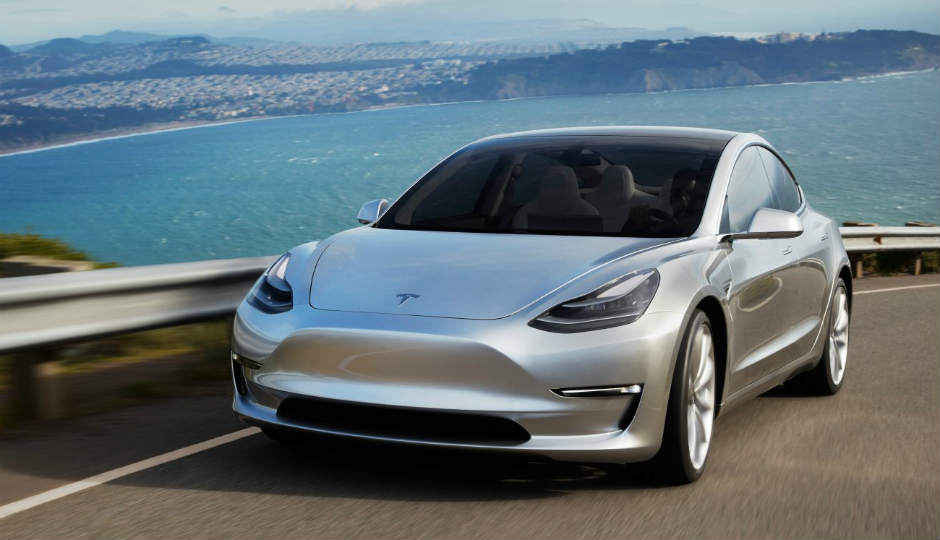 Highlights: The Tesla Model 3 gets a new low-end variant in the US It costs $35,000 (Rs 25 lakh approx) Tesla’s Model 3 has a new entry-level variant in the US and it costs $35,000 (Rs 25 lakh approx). Through a blog post, Tesla announced that the new much-awaited Standard Model 3 would have a range of 220 miles (354 kilometres), a top speed of 130 miles per hour (209 kilometres per hour), and take 5.6 seconds to go from 0–60 miles per hour (0–100 kilometres per hour). In addition, Tesla announced a Standard Range Plus variant for $37,000 (Rs 26 lakh), which increases the car’s range by 20 miles (32 kilometres). “To achieve these prices while remaining financially sustainable, Tesla is shifting sales worldwide to online only. You can now buy a Tesla in North America via your phone in about 1 minute, and that capability will soon be extended worldwide. We are also making it much easier to try out and return a Tesla, so that a test drive prior to purchase isn’t needed. You can now return a car within 7 days or 1,000 miles for a full refund. Quite literally, you could buy a Tesla, drive several hundred miles for a weekend road trip with friends and then return it for free,” writes Tesla confidently in its blog. The Model 3 was originally announced in 2008 but finally went on sale in the US in 2017. The Elon Musk-owned company sells the Model 3 as a compact four-door electric sedan. The new Standard variant is powered by a 50 kWh battery that supports both AC and DC charging. The car’s 18-inch rear wheels are powered by a single electric motor. The Model 3 uses Tesla’s proprietary Autopilot software, which is capable of navigating the car automatically in some situations. In addition, the car is capable of parking itself automatically. Aside from the Model 3, Tesla is planning to build an electric SUV called Model Y in Shanghai and launch it in 2020. While introducing the Model 3 is perhaps Tesla’s best bet if it decides to set up shop in India, there’s no definite information on whether it will happen yet. Though the Model 3 costs a reasonable $35,000 (Rs 25 lakh) in the US, it won’t cost the same if it is imported to India. We’ll just have to wait and see if Tesla is considering India as a serious market for the sale of its electric car range. Related Read: Porsche Macan to go fully electric
 https://ift.tt/2NBasfI
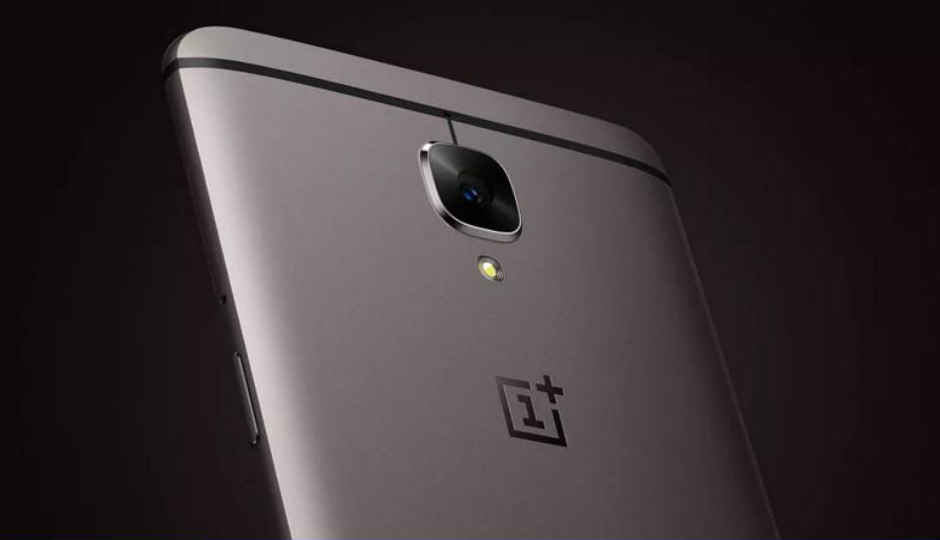 Highlights: OnePlus 3, 3T users will have to wait longer for their Android Pie update The Pie update will be preceded by an Oreo security patch While owners of more recent OnePlus devices are enjoying their share of the Pie, owners of the OnePlus 3 and 3T are still left holding the crumbles of Oreo. When Android Pie was announced last year, OnePlus had promised to roll the update out to the OnePlus 5, 5T, 3, and 3T but hadn’t mention exactly when. When the new year was born the OnePlus 5 and 5T got their Android Pie update, leaving only two devices in OnePlus’ stable to be updated. Two months on, the OnePlus 3 and 3T are still waiting for their slice of the Pie. Addressing questions about the Android Pie update is OnePlus Community Manager David Y., who, on the OnePlus Forum wrote recently, “The next update will be a security patch update based on Android O, then Android Pie.” What this means is that owners of the OnePlus 3 and 3T will have to wait a little longer for their Android 9 Pie update. David Y. also added jokingly in the post, “Can't you guys just go and do something more meaningful than chasing the update...(facepalm)”. Although OnePlus had started rolling the Android Pie update out to the OnePlus 5 and 5T around Christmastime, both phones ended up getting the update only a week or so into the new year. In some regions, the update roll out was cancelled so a newer update bearing an important hot fix could be sent out instead. While the OnePlus 5T got Android Pie’s pill-based navigation features, the OnePlus 5 didn’t. The OnePlus 3 and 3T were launched globally in 2016. The OnePlus 3 is powered by a Qualcomm Snapdragon 820 chipset while the OnePlus 3T is powered by an updated Qualcomm Snapdragon 821 chipset. Both handsets have 6GB of RAM on board. Android Pie will be the phones’ second major system update, with the first being Android Oreo. With any luck, the OnePlus 3 and 3T should receive their long-awaited update within a couple of months. Related Read: OnePlus 5, 5T receiving OxygenOS 9.0.2 Hot Fix
 https://ift.tt/2T7HVEF
 Highlights: Oppo R17 Pro gets a significant price cut Its new price is Rs 39,990 on Amazon.in If you’re looking to buy a large-screen phone from Oppo, you’re in luck. The price of the Oppo R17 Pro has been cut by Rs 6,000. The smartphone is now available on Amazon.in at Rs 39,990. The same price cut should reflect in the price tags of the smartphone across the country, even in offline stores. The significant price reduction comes just three months after its launch in India. The Oppo R17 Pro is available in Emerald Green and Radiant Mist colours. The Oppo R17 Pro is powered by a Qualcomm Snapdragon 710 chipset (Dual 2.2GHz Kryo 360 + Hexa 1.7GHz Kryo 360 CPUs) and is accompanied by an Adreno 616 GPU. The RAM onboard is 8GB and the storage available is 128GB. The battery on the Oppo R17 Pro is a 3,700mAh unit and the handset is equipped with the company’s proprietary SuperVOOC Flash Charge technology, which facilitates 50-watt charging. Oppo claims it can charge gain 40 percent of its total charge in ten minutes. The Oppo R17 Pro has a 6.4-inch Full HD+ AMOLED display with a resolution of 2340 x 1080 pixels and an aspect ratio of 19:9. There’s a waterdrop notch on top of the display, which houses the selfie camera. Oppo claims the phone has a 91.5-percent screen-to-body ratio. The display panel is protected by Corning Gorilla Glass 6. Under the display is a hidden fingerprint sensor, which Oppo says, can unlock the device in 0.41 seconds. In the optics department, we see a triple camera setup on the Oppo R17 Pro. There’s a 12-megapixel camera with an f/1.5-f/2.4 “Smart Aperture”, a 20-megapixel camera with f/2.6 aperture and a 3D-sensing camera. The camera system supports optical image stabilisation. The Oppo R17 Pro runs ColorOS 5.2, which is based on Android 8 Oreo. The new price cut should give the Oppo R17 Pro a new lease of life, though it’s shocking to see such deep slashes this early into the model’s life. Related Read: Oppo Find X 5G model showcased in China
 https://ift.tt/2XziUAH
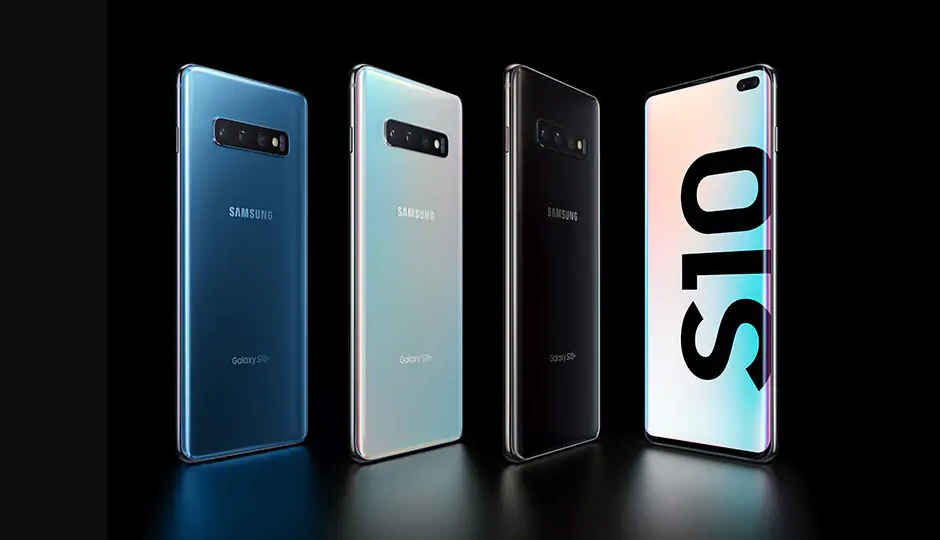 Highlights: Samsung Galaxy S10 and S10+ come applied with a first party screen protector. The replacement screen protector by Samsung is priced at MSRP of $29.99 (Rs 2,000 approx). Samsung delivered a fairly detailed presentation of its Galaxy S10 series of smartphones when they were announced. However, small tidbits of information were left out like the ability to hide the Infinity-O display design with software implementation and that one will be finally able to remap the Bixby button to perform some other function like booting up a pre-specified app (not the Google Assistant though). One more thing that the company didn’t reveal was that the Galaxy S10 and S10+ smartphones will come equipped with the company’s screen protector. Doesn’t seem like a really big deal, right? Well, yes and no, considering how the new Galaxy S10 and S10 Plus are equipped with an ultrasonic fingerprint sensor. While there’s no evidence to prove this right now, Samsung says that it “cannot guarantee the experiences with screen protectors made of traditional glass and polyurethane materials.” This suggests that if one uses a basic screen protector, the in-display fingerprint sensor could face some difficulty in authenticating the user. Well, it doesn’t really hurt to get a free screen protector whose replacement is worth MSRP of $29.99 (Rs 2,000 approx) with the phone. Samsung released a notice releasing the information, which was posted under the Samsung subreddit by Urano_Metria but as per the redditors post, the company had mentioned that the “factory pre-installed screen protector will be covered by 90 days warranty.” However, the circular was later updated and the 90-day warranty was redacted, so, we guess there’s no warranty after all. The top-of-the-line Samsung Galaxy S10+ variant runs on the Exynos 9820 chipset in India and comes with 12GB RAM. It sports 1TB of Internal storage, which can be expanded to 512GB. The phone runs on Android 9.0 Pie out-of-the-box and ships with a 4,100mAh battery. It has a display size of 6.4 inches with a 1440 x 3040 pixel resolution. The Galaxy S10+ is expected to launch in India on March 6 at a starting price of Rs 73,990. Related Reads:
  https://ift.tt/2Es6L8e
 Highlights: Apple AirPods 2 could be launched by March 29, says a new report Life of outgoing AirPods ends by March 28 AirPods 2 could feature "wellness sensors" among other new features Rumours and leaks about Apple’s second generation of AirPods have been circulating around the internet for many months now. AirPods are Apple’s first generation of wireless earbuds; they were originally announced in December 2016. A fresh report by Spanish website Applesfera boldly claims Apple will announce a new pair of AirPods on March 25 and follow it up with the official release on March 29. The report goes on to claim that the outgoing AirPods are reaching the end of their life cycle on March 28. Applesfera says that it has heard from several different sources that Apple plans to hold a keynote on March 25. Since we can’t confirm this news we advise you to take this piece of news with a bit of salt. The website goes on to explain that, according to a screenshot it received from an anonymous supplier of Apple products in the Asia Pacific market, March 28 is the last day of the life cycle of the current AirPods. This information too isn’t verified. The screenshot received by Applesfera If there’s any truth to this information, Apple should launch an improved and more expensive version of its AirPods. The new product is expected to be named AirPods 2 but Apple could always surprise us and go with something different this time around. When launched, the new wireless earbuds are expected to pack more features. Previous reports suggest they will come with “wellness sensors” to track health-related parameters like body movement and heart rate. According to Supply Chain Analyst Ming-Chi Kuo, the next generation AirPods will feature handsfree Siri access, which means Apple’s virtual assistant can be awakened for voice commands without having to press a button on the buds. There’s a chance they even come with water resistance, unlike the current AirPods. A new pair of AirPods was seen passing the Bluetooth SIG certification in November last year. So a late-March launch definitely seems possible. Still, the coming days will tell us if that’s really going to happen. Related Read: Apple AirPods 2 seem to have cleared Bluetooth SIG certification
 https://ift.tt/2TcD5WV
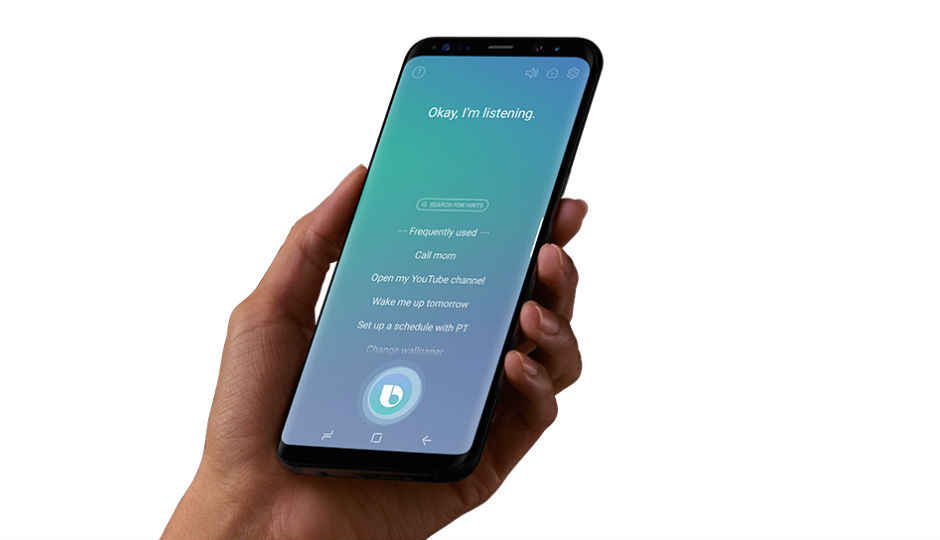 Highlights Bixby remapping coming to 8 and 9 series flagship Samsung phones Update will come through the app and not the OS Won't let you remap button to engage Google Assistant Samsung has been pushing hard for customers to use Bixby, to the point that they created a dedicated button on their flagship smartphones just for the AI. Since the button was introduced, users have complained about not being able to remap it to more useful functions like firing up the camera or even Google Assistant. With the Samsung Galaxy S10+, Samsung had announced that they would allow remapping of the Bixby button and now, the feature is also making its way to the 8 and 9 series of the Samsung Galaxy S and Note smartphones. The update that will allow the remapping of the Bixby button will come not through an OS update, but through an update to the Bixby app itself. The update can be found by going to the Galaxy Store app and searching for the update. Once updated, you will be able to remap the Bixby button to open any app on the phone, assignable using a single or double tap option. Sadly, you cannot reprogram is to bring up Google Assistant. You can find the settings by simply heading to Settings > Advanced Features > Bixby key. For the longest time, third-party developers and Samsung have played a cat and mouse game. Developers would release apps that would allow remapping of the Bixby button and then Samsung would shut their work around down. However, BxRemapper has been a popular app that Samsung users have been using to do more with their Bixby buttons, but now, they may no longer need that. Related Reads: Samsung Galaxy S10, Galaxy S10+, Galaxy S10e Pre-bookings now open in India: Price, offers, availability and all you need to know
 https://ift.tt/2IIfeJz
 Highlights: The Canary build of Chrome browser gets a dark mode on Android The dark mode renders the content within the browser windows dark A system-wide dark mode could be introduced in the next version of Android Chrome will soon join the long list of applications that support dark mode by default. Two months ago, we’d reported that Google had been working to bring native dark mode support to its popular browser on Windows 10. A fresh update from 9to5Google tells us that dark mode has now been included in the latest build (ver. 74.0) of Chrome Canary for Android and that one need only toggle a Chrome flag to see it in action. Unlike previous demos of dark mode on Chrome Canary, the updated feature in the latest build renders only the content in the browser window dark and not the browser UI. To enable this dark mode in the latest build of Chrome Canary, you have to toggle a feature flag called “#enable-android-web-contents-dark-mode”. To do this, visit chrome://flags and search for “Dark Mode” using the search bar. Once you’ve found it, click on the dropdown button below the flag and change it from Default to Enabled. Chrome will then prompt you to relaunch the application so the changes can take effect. Hit Relaunch and expect to see no change to the homepage however. Curious to see how far Google had come with the new feature under test, we fired up our resident Google Pixel 2 XL and opened Chrome Canary. With the new dark mode enabled, we saw the Google search results page appearing well-rendered. When we opened a news article from our website, the background went from being full black to dark grey. Sadly, some elements within the page flashed white as we scrolled up and down. Naturally, we don’t expect the rendering to be perfect at this point but we do expect it to get better by the time the feature rolls out to the stable version of the browser. You’ll notice that enabling this dark mode only renders the content of pages dark and not the UI of the browser itself, which is what a dark mode in most applications does. In fact, Google has even named the flag “...web-contents-dark-mode” so users don’t get the wrong idea. That said, Google is expected to roll out a system-wide dark mode feature in the next version of Android, which should decide the colour scheme of the browser’s UI as well. We expect this dark mode for content on pages to roll out to the stable version of Chrome in the coming weeks. Related Read: Google working to bring native dark mode on Windows 10
  https://ift.tt/2NEoTzW
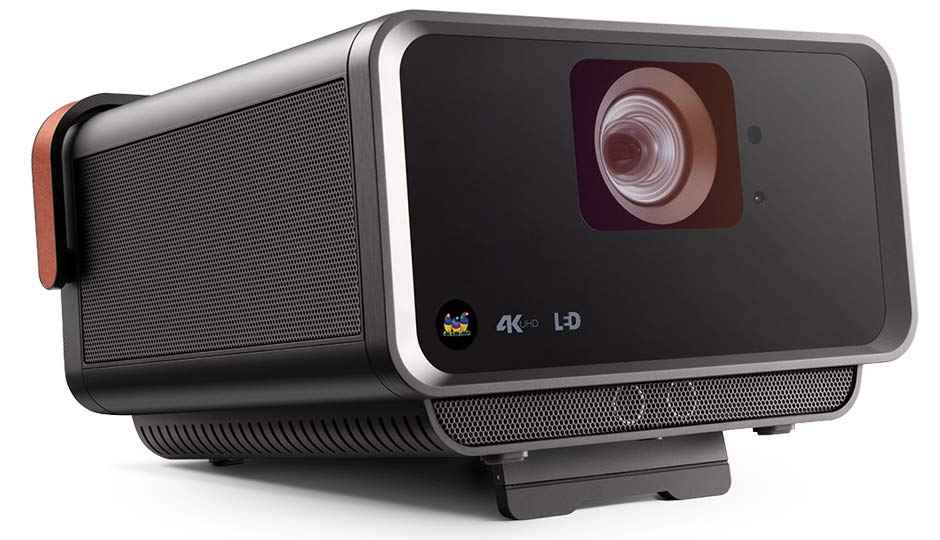 Viewsonic has launched three new projectors in India catering to different types of use cases and customers. The X10-4K LED portable projector was launched at ‘What Hi-Fi Show’ at St. Regis Hotel Lower Parel, Mumbai. The portable projector comes with Amazon Alexa and Google Voice assistants. The X10-4K is an LED-based projector with integrated Harmon Kardon speakers, and built-in smart technologies specifically build to cater as the home entertainment solution. Alongside they also launched the ViewSonic M1+ LED which is an LED-based portable projector specifically built for a budget conscious market and finally a professional phosphor-based projector i.e LS800 HD which is Full HD projector built for professional setups in large venues. X10-4K The Viewsonic X10-4K comes with 4K resolution with smart streaming functionality and portable design. It's lightweight design, easy carry handle, and short throw lens makes it a portable projector perfect for those who want a theatre-like experience at the comfort of their couch. Furthermore, the projector features 2,400 LED lumens of brightness, 125% of Rec.709 colour accuracy and Frame Interpolation technology which the company claims reduce motion blur and ensures fluid multimedia content projection and HDR support. Connectivity options include Wi-Fi connectivity to stream content, HDMI 2.0/HDCP 2.2, USB 2.0 Type-A, Type-C, Audio In/Out, and RJ45. M1+ LED ViewSonic M1+ LED is an ultra-portable projector that provides entertainment and content delivery on a budget. It comes with a built-in battery that provides up to six hours of battery life and Viewsonic claims the projector utilizes the latest solid-state LED technology, making the projector mercury and lamp free and offers up to 30,000 hours of usage. The projector itself weighs less than 2 pounds and offers 300 ANSI lumens of brightness and a 120,000:1 contrast ratio and dual Harman Kardon speakers on-board. M1+ offers connectivity options like Bluetooth wireless connectivity, HDMI, USB 2.0 and USB Type C, Audio Out and a MicroSD card reader. LS800 HD On the other hand, LS800 HD is phosphor based projector designed for a professional setup like education and business application in large venues like lecture halls and large boardrooms and auditoriums. It is a Full HD projector which features a brightness of 5,000 ANSI Lumens, a 100,000:1 contrast ratio and a company claimed 30,000 hours of light source life. Viewsonic says, “Full HD 1080p resolution combined with ViewSonic’s SuperColor™ technology, the LS800HD laser projector deliver advanced colour reproduction, bringing to life captivating colour, crisp graphics, and stunning images.” The X10-4K comes with a price tag of INR 350K while the budget-friendly M1+ LED and LS800 HD are priced at INR 60K and INR 365K respectively.
 https://ift.tt/2VvhMfO
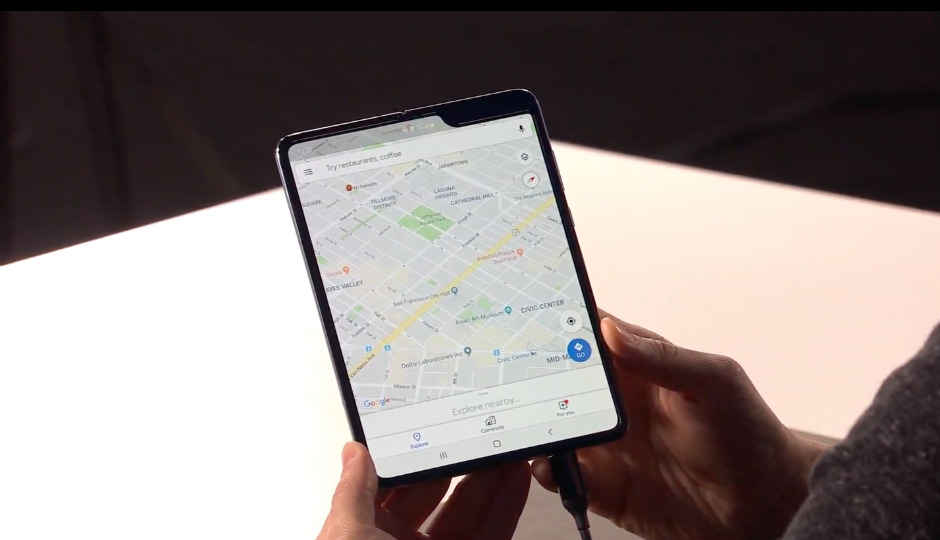 Highlights: Richard Yu, the CEO of Huawei’s Mobile business says that Samsung Galaxy Fold’s design is "not good." The company exec is said to have axed a project that was better than Samsung’s Galaxy Fold. The Mobile World Congress 2019 recently concluded but without a doubt, the most attractive devices at the show were foldable phones. Samsung, and Huawei showcased their foldable handsets and we already know that the two devices sport rather unique designs. While the Galaxy Fold features three-screens and opens up like a book, the Huawei Mate X features a single display that when fully stretched, resembles a tablet and wraps around the device’s body to resemble a phone. While the question, which design is better, might be subjective, Richard Yu, the CEO of Huawei’s Mobile business seems to killed a foldable phone project that is said to be same as the Galaxy Fold’s design as it was "not good." "I feel having two screens, a front screen and a back screen, makes the phone too heavy," Richard Yu told Business Insider while talking about the Galaxy Fold. As per the report, Yu said that the company was working on three foldable design projects simultaneously. One of the designs is said to resemble something that is touted to be “even better than” the Samsung Galaxy Fold but was axed by Yu as "It was bad." We can’t really say anything on which phone is better of the two, in terms of design, since both the companies decided to showcase their devices and not experience them. The Samsung Galaxy Fold and the Huawei Mate X were demoed by the company and didn’t allow anyone to touch or experience the phone. However, whichever design one likes, both the devices are priced steeply and are surely a niche for now. The Samsung Galaxy Fold goes on sale on April 26 and will cost $1980 (approx Rs 1,40,619), while the Huawei Mate X is priced at a whopping €2299 (Roughly Rs 1,85,285). LG also showcased its LG V50 ThinQ that, which is not a truly foldable phone but does come with a case that sports a second 6.2-inch OLED display. When attached to the device, it runs on the V50’s 4000mAh battery and can be used as a controller for games or just utilize the extra space for creating better PPTs or for similar use cases. Related Reads: All the foldable smartphones announced so far at MWC 2019
  https://ift.tt/2Ue4qEr
 Highlights: Realme 3 will be powered by the Helio P70 SoC and 4230 mAh battery. These specs of the phone were revealed by Flipkart. The handset is slated to launch on March 4. Realme 3 will be launched on March 4 and the company and its CEO, Madhav Sheth, are leaving no stone unturned to create a hype for the upcoming device. While there are no more online platform exclusives, Flipkart has hosted a dedicated microsite for the upcoming phone, suggesting that it will be available via the online retailer. Additionally, the new webpage reveals some key specifications of the handset ahead of the official launch. Relme seems to have taken a jab at the recently launched Redmi Note 7 Pro and the Redmi Note 7 smartphones, as the Realme 3 is being promoted as being “#3StepsAhead” of the competition. The Flipkart webpage confirms that the Realme 3 will be powered by the MediaTek Helio P70 processor that is built on a 12 nm manufacturing process. The Helio P70 is being compared with a 14nm processor, which seems to be a dig at the 14nm Snapdragon 660 used on the Redmi Note 7. The teaser page also confirms the presence of a dewdrop notch display design on the Realme 3, along with a 4230 mAh battery. The latter is again compared with ‘Smaller batteries,’ which could be a reference to the 4,000mAh battery used on the Redmi Note 7 series. It is also reiterated that the Realme 3 smartphone will be launched at 12:30 PM on March 4. That’s all the official information Realme has revealed about the upcoming Realme 3 smartphone. However, Sheth recently teased that a pro variant of the phone could also be announced alongside the standard variant and going by the teased video, it could come with fast charging support. The phone is also confirmed to feature a dual-rear camera and a rear-mounted fingerprint sensor, along with a diamond-cut design for the rear panel. The competition in the mid-range smartphone segment is heating up. With Xiaomi introducing the Redmi Note 7 series that feature updated specs at a relatively lower price, it remains to be seen how the competing brands like Realme, Asus, and Honor adjust their strategies. Related Reads: Redmi Note 7 Pro with 48MP camera launched in India alongside Redmi Note 7: Price, Specs, and all you need to know
  https://ift.tt/2UdFk8P
 Highlights: NASA mimics mixtures found in the primordial Earth ocean It introduces the mixtures in a mini-ocean created within its lab The study is aimed at understanding the formation of life better It’s one thing to perform historical reenactments for education and entertainment but another thing entirely to recreate the birth of life under the ocean from four billion years ago to understand the formation of life better on other planets. But that’s exactly what NASA has gone and done at its Jet Propulsion Laboratory in Pasadena, California. The experiment was conducted by astrobiologist Laurie Barge and her team by creating miniature seafloors inside the lab—“mini-oceans”, in other words. The mini-oceans, filled with mixtures that mimic the Earth’s primordial ocean, allowed the scientists at NASA to recreate hydrothermal vents and the same alkaline nature the Earth’s ocean once had. According to NASA’s news release on the matter, the scientists created mini-oceans within the lab that acted as a nursery for the basic building blocks of life like amino acids and organic compounds, thus building proteins. “Understanding how far you can go with just organics and minerals before you have an actual cell is really important for understanding what types of environments life could emerge from,” commented Barge, the lead author on the study, which was later published in the Proceedings of the National Academy of Sciences journal. “Also, investigating how things like the atmosphere, the ocean and the minerals in the vents all impact this can help you understand how likely this is to have occurred on another planet.” The scientists at NASA believe that if the conditions simulated by them are found on other planets, there’s a higher chance of life being present there. To create the simulation, the scientists tested their mini-oceans in the same temperature found near a hydrothermal vent (around 70 degrees Celsius) without any oxygen in the mixture (because Earth had very little oxygen in the ocean back then). When future Mars missions return samples of the planet’s surface, they could reveal evidence of amino acids formed in the manner simulated. The same could happen when we get our hands on samples of other planets later in the future. Related Read: NASA spacecraft reaches asteroid Bennu, breaks record
 https://ift.tt/2BVZBZq
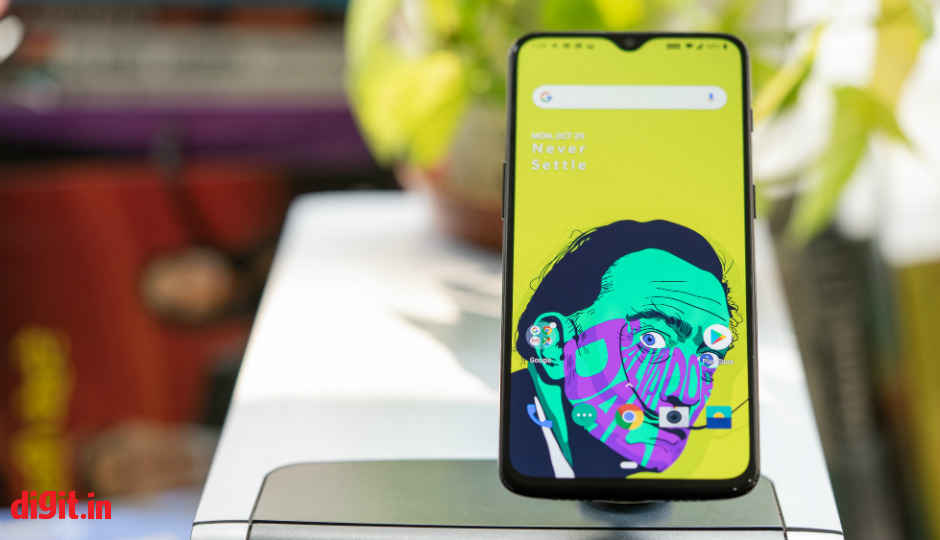 Highlights: OxygenOS Open Beta build rolling out to OnePlus 6, 6T, 5 and 5T. The update doesn't introduce new features. Bug fixes include fixing lag while setting alarms, video calling stability and more. The OnePlus 6 and the OnePlus 6T are now receiving a new Open Beta build that, while not introducing any new vital changes, introduces some important bug fixes. The smartphones launched in 2018 are now running on Android 9 Pie and are on their 13th and 5th versions of OxygenOS respectively. Earlier, the OnePlus 5 and the OnePlus 5T also received an OxygenOS Open Beta update to version 27. The updates offer a variety of bug fixes. They include fixing the lag that would be experienced by a few users when setting an alarm using the clock app. The update also improves stability for video calls. Previously, OnePlus had also allowed the option for Quick Reply in landscape mode along with an optimised screenshot function. The gaming mode was enhanced along with the clock app. The users who have enrolled for the OxygenOS Open Beta program will get the new update via OTA in the next few days. Furthermore, the company also recently announced it would be holding 5G trials in India in partnership with Qualcomm. The company even showcased its 5G prototype at MWC 2019, which was powered by the Snnapdragon 855 along with the Snapdragon X50 5G modem. At the tradeshow, OnePlus also said the upcoming OnePlus flagship would not have 5G. The 5G variant will launch as a separate lineup in select markets. Later, Pete Lau also confirmed that the next OnePlus flagship would not have wireless charging. Some of the leaked renders also point to a bezel-less OnePlus flagship with a mechanical pop-up module housing the front camera. It’s still not confirmed however, and remains to be seen what OnePlus has in store for us this year. Related Reads: Upcoming OnePlus flagship won't feature wireless charging, confirms Pete Lau OnePlus 5G prototype showcased at MWC 2019
 https://ift.tt/2UbGNw8
 Highlights: Xiaomi-backed gaming smartphone maker Black Shark sets up headquarters in India. The company could soon commence selling its handsets in the country. Smartphone gaming has expanded exponentially in India with games like PUBG Mobile keeping most young Indians engaged for hours. On the heels of such popular games, smartphone brands have also launched a variety of gaming-centric devices to make the most of the emerging trend. We saw Honor announce the Honor Play last year while Asus arrived with the geeked out ROG Phone. Now, Xiaomi-backed gaming smartphone maker Black Shark might soon commence selling its phones in the country. According to a report by Gadgets360, Black Shark has set up headquarters in Bengaluru. The company’s VP David Li will look after India operations while Chirag Nagendra, who was the formerly with OnePlus in the communications team has joined as Black Shark’s Marketing head. The company also announced its India presence formally and it seems to be in the process of setting up things in India. There will be an official launch date of the brand announced later. The company is known for the first Black Shark smartphone, which is Xiaomi’s gaming smartphone rival to the Razer Phone. However, it saw a limited release in just 23 countries. The Black Shark phone was notable not only for the flagship hardware and the gamer-centric design, but also for the additional controller it comes with, that are touted to make gaming much more enjoyable. The device is powered by the Snapdragon 845 SoC and comes with 8GB RAM and 128GB of storage, along with a 5.99-inch display. It also features a liquid-cooling system inside. The company followed it up with the Black Shark Helo later in 2018. The phone has a slightly larger 6.01-inch panel and comes with 10GB of RAM and 256GB storage. Both phones have detachable controllers for gaming. Recently, Xiaomi Product Director Wang Teng Thomas also confirmed on Weibo that a Black Shark 2 is in the works and will reportedly be powered by the Snapdragon 855 flagship processor along with 8GB of RAM. India is an important market for Xiaomi with sub-brands like Redmi and Poco proving to be quite popular, especially the aggressive pricing for the hardware its phones offer. Hopefully, Black Shark will maintain that trend and who knows, maybe undercut other gaming phones in the market like the Nubia Red Magic and the ROG Phone. Related Reads: Xiaomi Black Shark First Impressions: Gamer swag!
 https://ift.tt/2C0etpx


